
Last Updated on July 22, 2026 by Helena Akter
It feels restrictive, confusing, and overly clinical to choose the right foods after a cardiac diagnosis. The good news:
a heart-healthy cardiac diet doesn’t mean bland food or giving up variety, it means smarter swaps in sodium, fat,
and portion size.
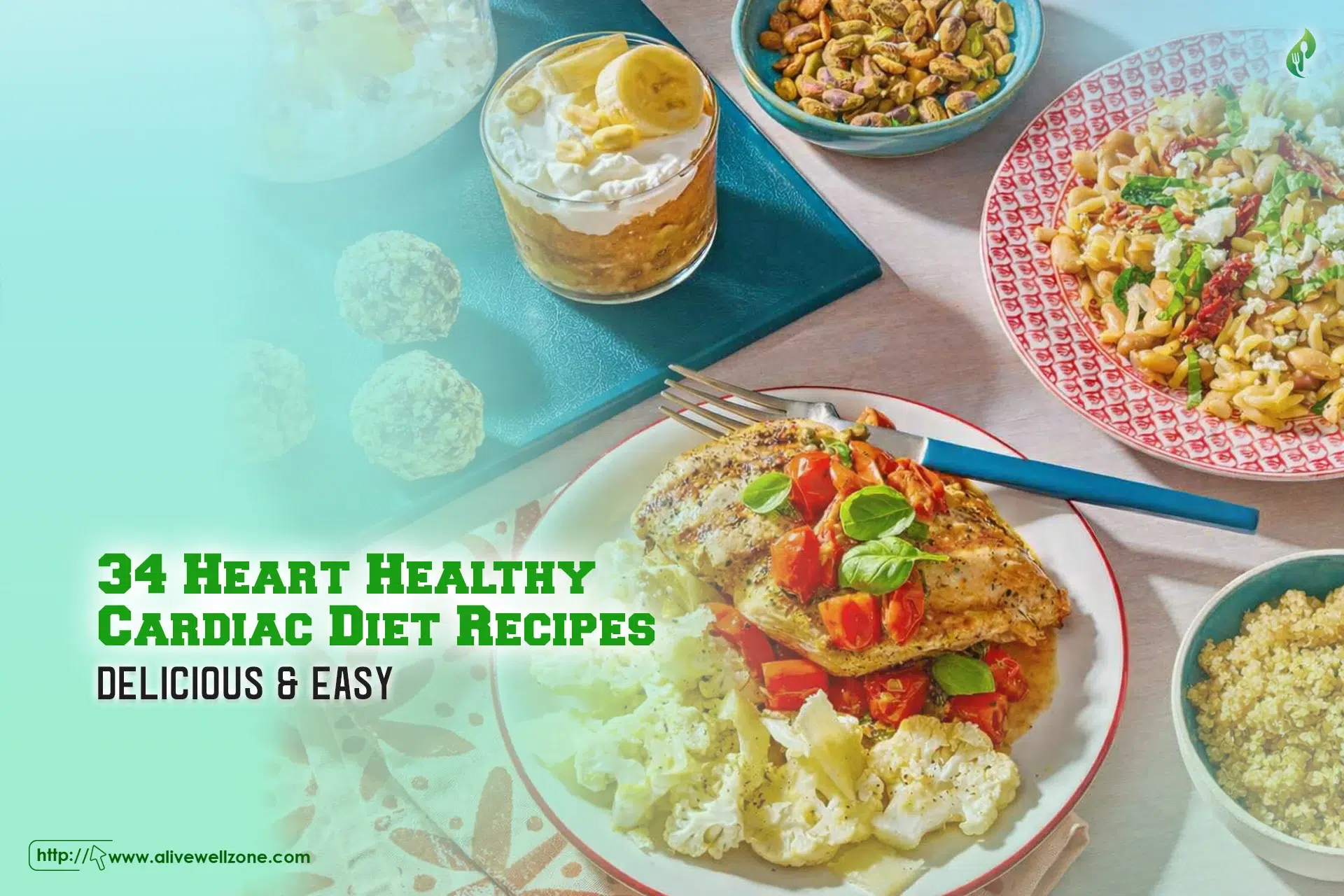
Below are 34 cardiac diet recipes built around the same principles used in DASH-style eating plans and cardiac care
nutrition guidance: low sodium, unsaturated fats, lean or plant-based protein, and high fiber. Each recipe includes
who it’s best suited for, so you can match meals to your specific goals — whether that’s lowering cholesterol,
managing blood pressure, or simply eating better for your heart.
Always check recipe sodium and saturated fat against your doctor’s or dietitian’s specific targets, individual limits vary, especially for heart failure or post-surgical patients.
What Makes a Recipe Heart Healthy?
A heart-healthy recipe supports cardiovascular function through thoughtful ingredient choices and cooking methods. So, here are the things that make a recipe truly heart healthy —
- Low Sodium Content: Recipes limit added salt and rely on herbs, spices, citrus, vinegar, and aromatics to support blood pressure control.
- Healthy Fat Profile: Focuses mainly on unsaturated fats from sources like olive oil, canola oil, nuts, seeds, avocado, and fish, while keeping saturated and trans fats low.
- Lean or Plant-based Proteins: It favors legumes, beans, lentils, tofu, fish, skinless poultry, and low-fat dairy to reduce cholesterol intake.
- High Fiber From Whole Foods: Whole grains, vegetables, fruits, and legumes increase dietary fiber to support cholesterol management, blood sugar control, and overall heart health.
- Minimal Added Sugars: Such recipes avoid excessive sweeteners and use fruit or small amounts of natural sugars when needed.
- Balanced Carbohydrates: Heart healthy recipe prefers complex, healthy-carb sources such as brown rice, oats, whole-wheat pasta, beans, and vegetables to support steady energy and glucose levels.
- Heart-conscious Cooking Methods: It bakes, roasts, steams, grills, and sautés with minimal oil instead of frying to keep total fat and calories in check.
- Alignment with Clinical Eating Patterns: Many heart-healthy recipes align with established plans such as the DASH diet, diabetes meal plans, and weight-management guidelines used in cardiac care.
The 34 Heart Healthy Cardiac Diet Recipes
Let’s get into the delicious recipes where each one prioritizes your heart health.

Heart-Healthy Snacks & Light Appetizers
1. Avocado Yogurt Dip
This dip is low in sodium and saturated fat while providing monounsaturated fats from avocado. And they’re associated with improved cholesterol profiles. Using fat-free sour cream keeps total fat and calories modest. So, it’s suitable for heart patients following DASH or weight-management plans.
Servings: 4
Key Ingredients
- 1/2 cup fat-free sour cream
- 2 teaspoons chopped onion
- 1/8 teaspoon hot sauce
- 1 ripe avocado, peeled, pitted, and mashed
Preparation Time: 10 minutes
How to Make It —
- Combine sour cream, onion, hot sauce, and mashed avocado in a small bowl
- Mix until evenly blended
- Serve with baked tortilla chips or sliced vegetables
Who This Recipe Is Best For —
- Patients managing cholesterol levels
- Individuals on low-sodium or DASH diets
- Those needing heart-healthy fats in controlled portions
2. Black Bean and Corn Salad
This plant-based salad is high in dietary fiber that supports heart health by improving cholesterol and blood sugar control. It’s naturally low in fat and sodium and contains no animal products to support vascular and metabolic health.
Servings: 8
Key Ingredients
- 1 can (15.5 ounces) black beans, rinsed and drained
- 1 cup frozen corn kernels, thawed
- 4 tomatoes, seeded and diced
- 2 garlic cloves, chopped
- 1/2 medium red onion, diced
- 1/2 cup chopped parsley
- 1 bell pepper, diced
- 2 teaspoons sugar
- Juice from 1 lemon
Preparation Time: 15 minutes (plus 30 minutes chilling)
How to Make It —
- Combine all ingredients in a large bowl
- Toss gently until evenly mixed
- Refrigerate for at least 30 minutes before serving
Who This Recipe Is Best For —
- Patients with hypertension or diabetes
- Individuals increasing fiber intake
- Those following plant-based or heart-healthy meal plans
3. Fresh Fruit Kebabs with Lemon-Lime Yogurt Dip
This snack focuses on whole fruits to provide potassium, fiber, and antioxidants that support blood pressure and vascular health. Plus, the low-fat yogurt dip adds protein and calcium while keeping saturated fat intake low.
Servings: 2
Key Ingredients
- 6 ounces low-fat, sugar-free lemon yogurt
- 1 teaspoon fresh lime juice
- 1 teaspoon lime zest
- 4 pineapple chunks
- 4 strawberries
- 1 kiwi, peeled and quartered
- 1/2 banana, sliced
- 4 red grapes
- 4 wooden skewers
Preparation Time: 15 minutes
How to Make It —
- Whisk yogurt, lime juice, and lime zest together and refrigerate
- Thread fruit evenly onto skewers
- Serve fruit kebabs with the yogurt dip
Who This Recipe Is Best For —
- Heart patients limiting added sugars
- Individuals needing nutrient-dense snacks
- Those seeking low-fat dessert alternatives
4. Garbanzo and Dried Fruit Snack Mix
When you replace traditional salty snack foods with roasted garbanzos and dried fruit, it increases fiber intake while reducing saturated fat. Fiber supports cholesterol management, and the plant-based ingredients align well with heart-protective eating patterns.
Servings: 12
Key Ingredients
- 2 cans (15 ounces each) garbanzos, rinsed and drained
- 2 cups unsweetened whole-grain wheat squares cereal
- 1 cup dried pineapple chunks
- 1 cup raisins
- 2 tablespoons honey
- 2 tablespoons Worcestershire sauce
- 1 teaspoon garlic powder
- 1/2 teaspoon chili powder
Preparation Time: 45 minutes
How to Make It —
- Roast garbanzos until crisp
- Combine cereal, dried fruit, and roasted garbanzos
- Toss with honey, Worcestershire sauce, and spices
- Bake briefly, stirring occasionally, then cool
Who This Recipe Is Best For —
- Patients reducing sodium-heavy snack foods
- Individuals increasing fiber intake
- Those needing shelf-stable, portion-controlled snacks
Heart-Healthy Beverages and Light Smooth Treats
5. Berry Spinach Green Smoothie
This smoothie is low in calories, sodium, and fat while providing potassium, fiber, and antioxidants from fruits and leafy greens. These nutrients support healthy blood pressure and vascular function without added sugars.
Servings: 4
Key Ingredients
- 1 banana
- Juice of 1 lemon
- 1/2 cup strawberries
- 1/2 cup mixed berries (blackberries or blueberries)
- 2 cups fresh baby spinach
- Fresh mint, to taste
- 1 cup cold water or ice
Preparation Time: 5 minutes
How to Make It —
- Place all ingredients into a blender
- Blend until smooth
- Serve immediately
Who This Recipe Is Best For —
- Patients managing blood pressure
- Individuals following low-sodium diets
- Those needing nutrient-dense hydration
6. Mint Lime Iced Tea Smoothie
This beverage is extremely low in calories and sodium and contains no added sugar. Unsweetened tea provides antioxidants, while lime and mint add flavor without increasing sugar or fat intake.
Servings: 1
Key Ingredients
- 1 cup freshly brewed unsweetened tea, cooled
- 2 tablespoons lime juice concentrate
- 2 tablespoons fresh mint leaves
- 5–6 ice cubes
- Honey/stevia instead of sugar
Preparation Time: 5 minutes
How to Make It —
- Combine tea, lime juice, mint, and ice in a blender
- Blend until smooth and frothy
- Sweeten lightly with sugar substitute if desired
Who This Recipe Is Best For —
- Patients needing strict calorie control
- Individuals with hypertension
- Those following kidney- or heart-friendly fluid plans
If you’re a tea lover who’s also careful with heart health, you can try the Organic Hibiscus Herbal tea. It offers a refreshing, tangy, and tart taste. Plus, this tea is USDA Certified and caffeine-free. So, you can drink it with peace of mind.
7. Orange Cream Frozen Yogurt Smoothie
This smoothie uses fat-free dairy and no added sugars to help you limit saturated fat intake. Orange juice provides potassium, which plays a role in blood pressure regulation.
Servings: 2
Key Ingredients
- 1 cup fat-free, no-sugar-added vanilla frozen yogurt
- 3/4 cup fat-free milk
- 1/4 cup frozen no-sugar-added orange juice concentrate
Preparation Time: 5 minutes
How to Make It —
- Combine all ingredients in a blender
- Blend until smooth
- Serve immediately in chilled glasses
Who This Recipe Is Best For —
- Patients needing higher protein intake
- Individuals avoiding added sugars
- Those seeking heart-healthy dessert alternatives
8. Lemon Mint Tea Refresher
This refreshing drink is virtually fat-free and very low in sodium. Thanks to the absence of added sugars, it’s suitable for heart patients managing blood sugar and weight.
Servings: 1
Key Ingredients
- 1 cup freshly brewed unsweetened tea, cooled
- 2 tablespoons lime juice concentrate
- 2 tablespoons fresh mint leaves
- Ice cubes
- Honey/stevia instead of sugar
Preparation Time: 5 minutes
How to Make It —
- Blend tea, lime juice, mint, and ice until frothy
- Sweeten lightly if needed
- Serve chilled with mint garnish
Who This Recipe Is Best For —
- Patients limiting sugar intake
- Individuals seeking caffeine-based hydration
- Those following DASH or low-calorie plans
Plant-Based Heart-Healthy Main Dishes
9. Red Curry Lentils with Sweet Potatoes and Spinach
This plant-based dish is rich in fiber and plant protein from lentils and vegetables, which support cholesterol control and heart health. Using low-sodium vegetable stock and healthy fats from olive oil helps align this meal with DASH-style eating. And that’s only possible when you manage portions appropriately.
Servings: 6
Key Ingredients
- 3 tablespoons olive oil
- 1 pound sweet potatoes, peeled and cubed
- 1 medium yellow onion, chopped
- 3 tablespoons Thai red curry paste
- 3 garlic cloves, minced
- 1 tablespoon fresh grated ginger
- 1 red chile, minced
- 1 teaspoon ground turmeric
- 1 cup red lentils, rinsed
- 4 cups low-sodium vegetable stock
- A pinch of kosher salt
- 1 can low-fat coconut milk
- 1 bag baby spinach
- Juice of 1/2 lime
- Fresh cilantro, for serving
Preparation Time: 20 minutes prep, 45 minutes cooking
How to Make It —
- Brown sweet potatoes in olive oil and set aside
- Sauté onion, curry paste, garlic, ginger, chile, and turmeric
- Add lentils, stock, salt, and sweet potatoes; simmer until tender
- Stir in coconut milk and reduce until creamy
- Add spinach until wilted, finish with lime juice
Who This Recipe Is Best For —
- Patients reducing red meat intake
- Individuals following plant-forward heart diets
- Those needing high-fiber, filling meals
10. Chana Masala
Chickpeas provide soluble fiber and plant protein, which support cholesterol management. The use of canola oil keeps saturated fat low, and spices add flavor without excess sodium.
Servings: 4
Key Ingredients
- 2 tablespoons canola oil
- 1 teaspoon cumin seeds
- 1 small onion, finely chopped
- 1 tablespoon grated fresh ginger
- 1 teaspoon curry powder
- 2 teaspoons garam masala
- 1 can no-salt-added diced tomatoes
- 2 cans chickpeas, drained and rinsed
- 2 tablespoons lemon juice
- 1/4 cup chopped fresh cilantro
Preparation Time: 5 minutes prep, 15 minutes cooking
How to Make It —
- Sauté cumin seeds in oil
- Add onion, ginger, and spices; cook until fragrant
- Stir in tomatoes, chickpeas, and lemon juice
- Simmer covered, then garnish with cilantro
Who This Recipe Is Best For —
- Patients following vegetarian or vegan diets
- Individuals managing cholesterol
- Those needing affordable heart-healthy meals
11. Broccoli Lentil Pasta
This dish combines whole grains, legumes, and vegetables to deliver high fiber and plant protein. Low saturated fat and moderate sodium make it appropriate for heart patients when portion sizes are observed.
Servings: 4
Key Ingredients
- 1 head broccoli, chopped
- 1 onion, finely chopped
- 1 red bell pepper, chopped
- 4 cloves garlic, minced
- 1 box whole wheat pasta
- 2 teaspoons canola oil
- 1/2 teaspoon Italian seasoning
- 1/4 teaspoon hot pepper flakes (optional)
- 1/2 cup no-salt-added vegetable broth
- 1 can lentils, drained and rinsed
Preparation Time: 10 minutes prep, 10 minutes cooking
How to Make It —
- Cook pasta and broccoli together until tender
- Sauté onion, pepper, garlic, and seasoning in oil
- Add broth and lentils, simmer briefly
- Toss the sauce with the pasta and serve
Who This Recipe Is Best For —
- Patients increasing dietary fiber
- Individuals needing meatless main dishes
- Those following DASH-style eating plans
12. Mediterranean Couscous Salad with Chickpeas
This vegetarian entrée uses olive oil, whole grains, and legumes. They’re the key components of Mediterranean-style eating, which is associated with reduced cardiovascular risk.
Servings: 4
Key Ingredients
- 1 cup uncooked whole-wheat couscous
- 2 cucumbers, chopped
- 1 1/2 cups grapes, halved
- 3 green onions, chopped
- 1 can no-salt-added chickpeas, rinsed
- 1/3 cup chopped kalamata olives
- 2 tablespoons dried parsley
- 1 1/2 tablespoons olive oil
- 1 tablespoon fresh lemon juice
- 1/4 cup fat-free feta cheese
Preparation Time: 15 minutes
How to Make It —
- Prepare couscous without added salt
- Combine vegetables, fruit, and chickpeas
- Toss with couscous, olive oil, and lemon juice
- Top with feta cheese before serving
Who This Recipe Is Best For —
- Patients following Mediterranean diets
- Individuals managing blood pressure
- Those needing fiber-rich vegetarian meals
Heart-Healthy Fish and Seafood Dishes
13. Oven-Roasted Salmon with Charred Lemon Vinaigrette
Salmon is rich in omega-3 fatty acids, which are associated with reduced triglycerides and cardiovascular risk. And when you roast with vegetables and use olive oil, it keeps saturated fat low while supporting heart health.
Servings: 4
Key Ingredients
- 4 salmon fillets
- 1 lemon, halved
- 1 fennel bulb, sliced
- 1 onion, sliced
- 2 1/2 tablespoons olive oil, divided
- 3 cups baby arugula
- 1 teaspoon Dijon mustard
- Salt and black pepper, to taste
Preparation Time: 10 minutes prep, 25 minutes cooking
How to Make It —
- Broil lemon halves until charred and set aside
- Toss fennel and onion with olive oil and roast
- Season salmon and roast until opaque
- Whisk charred lemon juice with mustard and oil
- Toss vegetables with arugula and serve with salmon
Who This Recipe Is Best For —
- Patients with elevated triglycerides
- Individuals following Mediterranean-style diets
- Those increasing omega-3 intake
14. Teriyaki Salmon with Cauliflower Rice
This dish provides lean protein and omega-3 fats while replacing refined grains with cauliflower rice to reduce overall carbohydrate load. In the meantime, using low-sodium soy sauce supports blood pressure control.
Servings: 4
Key Ingredients
- 4 wild salmon fillets
- 2 tablespoons low-sodium soy sauce
- 1 tablespoon water
- 1 tablespoon dry sherry or balsamic vinegar
- 1 tablespoon toasted sesame oil
- 1 garlic clove, minced
- 1 teaspoon fresh ginger, minced
- 1 head cauliflower, chopped
- 1/2 medium onion
- 1 teaspoon canola oil
- 1/8 teaspoon salt
Preparation Time: 15 minutes prep, 15 minutes cooking
How to Make It —
- Marinate salmon in sauce ingredients
- Process cauliflower and onion into rice-like texture
- Bake salmon, then broil lightly
- Sauté cauliflower mixture until tender
- Serve salmon over cauliflower rice
Who This Recipe Is Best For —
- Patients managing blood sugar levels
- Individuals following low-carbohydrate plans
- Those seeking heart-healthy protein meals
15. Fish Tacos with Lime Crema
Using baked fish instead of fried reduces saturated fat intake. Corn tortillas provide whole-grain carbohydrates, while yogurt-based crema lowers fat compared to traditional sauces.
Servings: 24 tacos (1 taco per serving)
Key Ingredients
- 1 1/2 pounds tilapia fillets
- 24 small corn tortillas
- 2 tablespoons extra-virgin olive oil
- 1/2 teaspoon cumin
- 1/2 teaspoon cayenne pepper
- 1 teaspoon salt
- 1/4 teaspoon black pepper
- Purple cabbage, shredded
- Avocados, diced
- Roma tomatoes, diced
- Red onion, diced
- Cilantro
- Cotija cheese
Preparation Time: 20 minutes prep, 25 minutes cooking
How to Make It —
- Bake seasoned tilapia until cooked through
- Prepare toppings and lime crema
- Warm tortillas
- Assemble tacos with fish, vegetables, cheese, and sauce
Who This Recipe Is Best For —
- Patients limiting fried foods
- Individuals needing portion-controlled meals
- Those seeking balanced heart-healthy dinners
16. Italian Tuna Brown Rice Salad
This dish uses tuna packed in water and brown rice to provide lean protein and whole grains. Besides, capers and olives add flavor while minimizing the need for added salt.
Servings: 4
Key Ingredients
- 1 bag frozen mixed vegetables
- 1 cup cooked brown rice
- 2 cans tuna in water, drained
- 1/4 cup sliced black olives
- 2 tablespoons capers
- 1 tablespoon caper brine
- 1/4 cup red bell pepper, chopped
- Juice of 1/2 lemon
- 1/2 tablespoon olive oil
Preparation Time: 10 minutes
How to Make It —
- Thaw vegetables under warm water
- Combine all ingredients in a bowl
- Mix thoroughly and serve chilled or room temperature
Who This Recipe Is Best For —
- Patients managing cholesterol
- Individuals needing quick heart-healthy meals
- Those following Mediterranean-style eating
Heart-Healthy Poultry and Lean Meat Main Dishes
17. Sheet Pan Chickpea Chicken
This one-pan meal combines lean chicken with fiber-rich chickpeas and vegetables. Roasting instead of frying helps limit saturated fat, while chickpeas offer fiber that supports cholesterol and heart health.
Servings: 4
Key Ingredients
- 1 can (15.5 ounces) chickpeas, rinsed
- 1 bag mini sweet peppers
- 2 tablespoons olive oil, divided
- Kosher salt and black pepper
- 2 tablespoons harissa sauce
- 4 small skin-on chicken legs
- Chopped cilantro, for serving
Preparation Time: 10 minutes prep, 25 minutes cooking
How to Make It —
- Toss chickpeas and peppers with olive oil, salt, and pepper
- Mix harissa with olive oil and rub onto chicken
- Roast everything together on a sheet pan until the chicken is cooked through
- Finish with chopped cilantro before serving
Who This Recipe Is Best For —
- Patients transitioning to balanced, home-cooked meals
- Individuals increasing fiber intake
- Those seeking simple, heart-conscious dinners
18. One-Pan Cabbage and Ground Turkey Skillet
Ground turkey is a lean protein option that is lower in saturated fat than many red meats. Cabbage and broccoli slaw add fiber and volume to support heart health and manage weight.
Servings: 4
Key Ingredients
- 1 pound ground turkey
- 1 onion, chopped
- 1/2–1 head cabbage, chopped
- 1 cup broccoli slaw
- 1 clove garlic, minced
- 1 can diced tomatoes
- 1 can tomato sauce
- Salt and pepper, to taste
Preparation Time: 10 minutes prep, 30 minutes cooking
How to Make It —
- Brown ground turkey with onion
- Add garlic and cook briefly
- Stir in vegetables, tomatoes, and sauce
- Cover and simmer until cabbage is tender
Who This Recipe Is Best For —
- Patients limiting red meat intake
- Individuals managing cholesterol
- Those needing filling, vegetable-forward meals
19. Mexican Chicken Soup
This soup uses lean chicken breast and beans while relying on herbs and spices for flavor instead of excess salt. The high protein content supports muscle maintenance without excess fat.
Servings: 6
Key Ingredients
- 2 teaspoons olive oil
- 1 large onion, chopped
- 1 medium bell pepper, chopped
- 1 fresh jalapeño, diced (optional)
- 2 teaspoons ground cumin
- 2 garlic cloves, minced
- 5 cups fat-free, low-sodium chicken broth
- 1 1/2 pounds chicken breasts, cubed
- 1 can no-salt-added kidney beans
- 1 can no-salt-added corn
- 1 large tomato, diced
- 1/2 cup chopped fresh cilantro
Preparation Time: 10 minutes prep, 20 minutes cooking
How to Make It —
- Sauté onion, pepper, and jalapeño in olive oil
- Add cumin and garlic briefly
- Pour in broth and bring to simmer
- Add chicken and cook until done
- Stir in beans, corn, tomato, and cilantro
Who This Recipe Is Best For —
- Patients managing blood pressure
- Individuals needing high-protein meals
- Those following DASH-style diets
20. Baked Chicken
Baking instead of frying reduces saturated fat intake while still providing you with a flavorful protein source. Using canola oil helps keep fat quality heart-friendly.
Servings: 8
Key Ingredients
- 1 1/2 cups whole wheat bread crumbs
- 1/2 cup almond meal flour
- 1 teaspoon paprika
- 1 teaspoon dried herbs (rosemary, basil, or oregano)
- 3 tablespoons canola oil
- 8 boneless, skinless chicken breast halves
Preparation Time: 10 minutes prep, 35 minutes cooking
How to Make It —
- Combine bread crumbs, flour, spices, and oil
- Coat chicken evenly in crumb mixture
- Bake until chicken is cooked through and golden
Who This Recipe Is Best For —
- Patients reducing fried foods
- Individuals needing lean protein options
- Families adapting recipes for heart health
Heart-Healthy Soups and Comfort Meals
21. Hearty Pastina Soup
This soup provides lean protein from chicken thighs and uses low-sodium broth to support blood pressure control. Plus, the inclusion of leafy greens adds fiber and micronutrients, while the egg-based thickening provides richness without heavy cream.
Servings: 6
Key Ingredients
- 4 tablespoons unsalted butter
- 3 celery stalks, finely chopped
- 1 small yellow onion, finely chopped
- Kosher salt and black pepper
- 4 garlic cloves, minced
- 2 bay leaves
- 1 1/2 pounds boneless, skinless chicken thighs
- 8 cups low-sodium chicken broth
- 6 ounces Tuscan kale, thinly sliced
- 1 cup pastina
- 3 large eggs
- Juice of 3 lemons
- 2 tablespoons chopped fresh dill
Preparation Time: 20 minutes prep, 30 minutes cooking
How to Make It —
- Sauté celery and onion in butter until tender
- Add garlic and bay leaves
- Simmer chicken in broth until cooked, then shred
- Cook kale and pastina in broth
- Temper eggs and stir into soup
- Add chicken, lemon juice, and dill
Who This Recipe Is Best For —
- Patients needing warm, easy-to-eat meals
- Individuals recovering from illness
- Those requiring comfort foods with controlled sodium
22. Hot and Sour Soup
This low-calorie soup is rich in vegetables and plant-based protein from tofu. Using low-sodium broth and soy sauce helps control sodium intake while spices provide flavor without added fat.
Servings: 4–6
Key Ingredients
- 4 cups fat-free, low-sodium vegetable broth
- 2 tablespoons cornstarch
- 1 1/2 tablespoons water
- 1/2 cup sliced green cabbage or bok choy
- 1/2 cup sliced mushrooms
- 3 green onions, sliced
- 1 tablespoon fresh ginger, minced
- 1 tablespoon low-sodium soy sauce
- 4 ounces firm tofu, sliced
- 1/2 cup vinegar
- 1 1/2 teaspoons black pepper
- 1/4 cup egg substitute (optional)
- 1/2 teaspoon toasted sesame oil
Preparation Time: 10 minutes prep, 10 minutes cooking
How to Make It —
- Bring broth to a boil
- Add vegetables, ginger, and soy sauce
- Stir in cornstarch slurry
- Add tofu, vinegar, and pepper
- Optional: drizzle in egg substitute
- Finish with sesame oil
Who This Recipe Is Best For —
- Patients needing very low-calorie meals
- Individuals limiting fat and sodium
- Those following vegetarian or vegan diets
23. Cabbage Roll Casserole
This dish uses extra-lean ground beef and brown rice to keep saturated fat low while providing fiber. Canola oil supports heart-healthy fat intake, and the overall sodium content is modest.
Servings: 8
Key Ingredients
- 1 medium onion, diced
- 3 cloves garlic, minced
- 2 cups chopped cabbage
- 2 tablespoons canola oil
- 1 pound extra-lean ground sirloin
- 1/4 teaspoon salt
- 1/4 teaspoon black pepper
- 1 can diced tomatoes
- 3/4 cup long-grain brown rice
- 1 cup sodium-reduced broth
Preparation Time: 5 minutes prep, 40 minutes cooking
How to Make It —
- Sauté onion and garlic in oil
- Brown ground beef and season lightly
- Add cabbage, tomatoes, rice, and broth
- Simmer or bake until rice is tender
Who This Recipe Is Best For —
- Patients transitioning to lower-fat comfort foods
- Individuals managing portion control
- Those needing family-style heart-healthy meals
24. Italian Tuna Brown Rice Salad (Warm Option)
You can serve this flexible dish warm or cold while providing lean protein from tuna and whole grains from brown rice. Using olive oil and lemon juice keeps fats unsaturated and sodium controlled.
Servings: 4
Key Ingredients
- 1 bag frozen mixed vegetables
- 1 cup cooked brown rice
- 2 cans tuna packed in water
- 1/4 cup sliced black olives
- 2 tablespoons capers
- 1 tablespoon caper brine
- 1/4 cup red bell pepper
- Juice of 1/2 lemon
- 1/2 tablespoon extra-virgin olive oil
Preparation Time: 10 minutes
How to Make It —
- Thaw vegetables under warm water
- Combine all ingredients in a bowl
- Mix well and serve warm or chilled
Who This Recipe Is Best For —
- Patients needing quick comfort meals
- Individuals following Mediterranean-style diets
- Those managing cholesterol and sodium intake
Heart-Healthy Breakfasts and Baked Goods
25. Vegan Oatmeal Banana Muffins
These muffins are entirely plant-based and provide fiber from oats, bananas, and whole grains. Instead of using oil, you use applesauce to reduce saturated fat, so that it’s suitable for heart patients when enjoyed in moderation.
Servings: 12 muffins
Key Ingredients
- 1 ¾ cups flour
- 1 teaspoon baking soda
- 1 teaspoon baking powder
- 1 teaspoon salt
- 1/2 cup unsweetened applesauce
- 1 cup brown sugar
- 3 mashed bananas
- Egg substitute for 2 eggs
- 1 teaspoon vanilla
- 2 cups quick-cooking oatmeal
- 1 cup 60% cocoa chocolate chips
- 1 cup chopped pecans
Preparation Time: 15 minutes prep, 30 minutes baking
How to Make It —
- Sift flour, baking soda, baking powder, and salt
- Mix applesauce, sugar, bananas, egg substitute, and vanilla
- Stir in dry ingredients, oats, chocolate chips, and pecans
- Bake at 350°F until set
Who This Recipe Is Best For —
- Patients seeking plant-based breakfasts
- Individuals increasing fiber intake
- Those needing portable heart-conscious snacks
26. Almond Flour Pancakes
Almond flour provides unsaturated fats and protein while keeping refined carbohydrates low. These pancakes are naturally gluten-free and contain no added refined sugars beyond honey.
Servings: About 12 pancakes
Key Ingredients
- 1 cup almond flour
- 2 tablespoons honey
- 4 eggs
- 1 teaspoon vanilla
- 1/4 teaspoon salt
- 1/4 teaspoon baking soda
Preparation Time: 10 minutes prep, 10 minutes cooking
How to Make It —
- Mix all ingredients until smooth
- Heat griddle and lightly coat with cooking spray
- Cook pancakes briefly on each side until golden
Who This Recipe Is Best For —
- Patients managing blood sugar levels
- Individuals following gluten-free diets
- Those seeking higher-protein breakfasts
27. Greek Yogurt Dill Dip (Breakfast/Brunch Spread)
This dip uses low-fat Greek yogurt to reduce saturated fat while providing protein. Meanwhile, herbs and spices improve flavor without relying on excess salt.
Servings: 5
Key Ingredients
- 1/2 cup plain low-fat Greek yogurt
- 2 tablespoons mayonnaise
- 1 teaspoon distilled vinegar
- 1/2 teaspoon dried dill
- 1/4 teaspoon salt
- 1/4 teaspoon onion powder
- 1/4 teaspoon garlic powder
- 1/4 teaspoon sugar (optional)
Preparation Time: 5 minutes
How to Make It —
- Combine all ingredients in a bowl
- Mix until smooth
- Refrigerate until ready to serve
Who This Recipe Is Best For —
- Patients reducing high-fat spreads
- Individuals needing protein-rich accompaniments
- Those following heart-healthy brunch plans
Vegetable-Forward Heart-Healthy Side Dishes and Salads
28. Colorful Tangy Brussels Sprouts Salad
Brussels sprouts are rich in fiber and antioxidants that support cholesterol and vascular health. Olive oil and tahini provide unsaturated fats, while the recipe remains low in sodium and free of added refined sugars.
Servings: 6
Key Ingredients
- 2 pounds Brussels sprouts
- 2 tablespoons olive oil
- 1 cup pomegranate seeds
- 1/4 cup pine nuts
- 2 tablespoons fresh lime juice
- 1 tablespoon apple cider vinegar
- 1 tablespoon extra-virgin olive oil
- 1/2 tablespoon tahini
- 1/2 tablespoon maple syrup
- 1/4 teaspoon sea salt
- Black pepper, to taste
Preparation Time: 20 minutes prep, 20 minutes cooking
How to Make It —
- Roast Brussels sprouts with olive oil until crisp and golden
- Whisk together lime juice, vinegar, olive oil, tahini, maple syrup, salt, and pepper
- Combine sprouts with pomegranate seeds and pine nuts
- Toss with vinaigrette and serve
Who This Recipe Is Best For —
- Patients increasing vegetable intake
- Individuals following Mediterranean-style diets
- Those managing cholesterol levels
29. Spinach, Strawberry & Almond Salad
This salad combines leafy greens, fruit, and unsalted nuts, providing fiber, antioxidants, and healthy fats. Using olive oil supports heart health, while low-sugar preserves keep added sugars modest.
Servings: 4
Key Ingredients
- 2 1/2 tablespoons lemon juice
- 2 tablespoons extra-virgin olive oil
- 2 tablespoons low-sugar strawberry preserves
- 2 cups strawberries, sliced
- 1 package baby spinach
- 1/4 cup unsalted dry-roasted almonds
- 1/3 cup feta cheese
Preparation Time: 10 minutes
How to Make It —
- Whisk lemon juice, olive oil, and preserves
- Toss strawberries in dressing
- Add spinach and coat evenly
- Top with almonds and feta before serving
Who This Recipe Is Best For —
- Patients managing blood pressure
- Individuals seeking antioxidant-rich meals
- Those needing light, heart-healthy sides
30. Ratatouille (Vegetable Stew)
This classic vegetable dish is naturally low in saturated fat and rich in fiber and potassium. You use olive oil in moderation, and the recipe relies on herbs instead of salt for flavor.
Servings: 6
Key Ingredients
- 1/4 cup plus 2 tablespoons extra-virgin olive oil
- 2 yellow bell peppers, diced
- 1 large yellow onion, diced
- 1 large eggplant, diced
- 1 large zucchini, diced
- 3 cloves garlic, minced
- 3 tablespoons tomato paste
- 1/2 teaspoon crushed red pepper flakes (optional)
- 1 1/2 pounds ripe tomatoes, diced
- 1/2 cup chopped fresh parsley
- 6 fresh basil leaves
Preparation Time: 15 minutes prep, 45 minutes cooking
How to Make It —
- Sauté peppers and onion in olive oil
- Add eggplant, then zucchini until softened
- Stir in garlic, tomato paste, and spices
- Simmer with tomatoes until thick
- Finish with fresh herbs
Who This Recipe Is Best For —
- Patients following plant-forward diets
- Individuals limiting sodium intake
- Those seeking nutrient-dense side dishes
31. Deviled Eggs (Heart-Conscious Version)
Eggs provide high-quality protein, but egg yolks are high in dietary cholesterol. This lighter version reduces cholesterol by replacing half of the yolks with heart-healthy ingredients like avocado or hummus, while still delivering a creamy filling.
Servings: 12 (½ egg per serving)
Key Ingredients
- 6 hard-boiled eggs
- 3 egg yolks (use half; discard or save the rest)
- 1/4 cup mashed avocado or hummus or Greek yogurt
- 2 tablespoons mayonnaise (optional, for flavor balance)
- 1/2–1 teaspoon ground mustard
- 1/4 teaspoon salt
- Paprika, for garnish
Preparation Time: 15 minutes
How to Make It —
- Halve eggs and remove yolks
- Set aside half of the yolks; reserve or discard remaining yolks
- Mash remaining yolks with avocado, hummus, or Greek yogurt, mustard, salt, and optional mayonnaise
- Fill egg whites and sprinkle with paprika
Who This Recipe Is Best For —
- Patients needing protein-rich snacks
- Individuals monitoring portions carefully
- Those seeking lighter versions of classic dishes
32. Roasted Cauliflower and Chickpea Lemon-Tahini Bowl
This simple plant-based bowl delivers fiber, potassium, and heart-healthy unsaturated fats. Meanwhile, it keeps sodium and saturated fat low. Roasting improves flavor without added salt, and tahini provides calcium and healthy fats that support vascular health.
Servings: 4
Key Ingredients
- 1 medium head cauliflower, cut into florets
- 1 can (15 ounces) no-salt-added chickpeas, rinsed and drained
- 2 tablespoons extra-virgin olive oil
- 1/2 teaspoon smoked paprika
- 1/4 teaspoon ground cumin
- Black pepper, to taste
Lemon Tahini Drizzle
- 2 tablespoons tahini
- Juice of 1 lemon
- 1 small garlic clove, minced
- 2–3 tablespoons warm water (to thin)
Preparation Time: 10 minutes prep, 30 minutes cooking
How to Make It —
- Preheat oven to 425°F
- Toss cauliflower and chickpeas with olive oil, paprika, cumin, and black pepper
- Roast on a baking sheet for 25–30 minutes, stirring once, until golden
- Whisk tahini, lemon juice, garlic, and water until smooth
- Drizzle sauce over roasted vegetables before serving
Who This Recipe Is Best For —
- Patients following low-sodium or DASH diets
- Individuals increasing plant-based protein and fiber
- Those needing simple, heart-healthy meals with minimal ingredients
Heart-Healthy Lean Meat and Mixed-Protein Entrées
33. Citrus Beef on Zucchini Ribbons
This dish replaces refined grains with zucchini ribbons to lower overall carbohydrate load while increasing your potassium intake. In this recipe, you use lean flank steak, and canola oil helps to keep saturated fat moderate.
Servings: 4
Key Ingredients
- Reserved flank steak with soy-lime reduction
- 2 medium zucchini
- 1/2 tablespoons canola oil, divided
- 8 ounces sliced baby portobello mushrooms
- 1 red bell pepper, thinly sliced
- 1 teaspoon grated orange zest
- 2 tablespoons orange juice
- 1/4 cup chopped green onion
Preparation Time: 5 minutes prep, 10 minutes cooking
How to Make It —
- Slice zucchini into long ribbons and lightly sauté until tender-crisp
- Keep the zucchini warm while cooking the mushrooms and bell pepper
- Add sliced beef and heat briefly
- Finish with reserved sauce, orange zest, and juice
- Spoon the beef mixture over the zucchini ribbons
Who This Recipe Is Best For —
- Patients managing blood sugar levels
- Individuals limiting refined grains
- Those seeking lighter, protein-forward meals
34. Balsamic Beef with Polenta
This recipe uses beef tenderloin, a lean cut of red meat, and emphasizes portion control. Polenta prepared with broth and vegetables increases volume and fiber. Meanwhile, the saturated fat and sodium remain modest when blue cheese is used sparingly or substituted with a lower-sodium cheese such as goat cheese.
Servings: 8
Key Ingredients
- 2-pound beef tenderloin roast
- 2 tablespoons aged balsamic vinegar
- 3 tablespoons porcini dust
- 1 teaspoon smoked paprika
- 1/2 teaspoon garlic powder
- 1/2 teaspoon onion powder
- 1 tablespoon canola oil
- 1 onion, thinly sliced
- 1 zucchini, thinly sliced
- 1 red bell pepper, sliced
- 1 yellow bell pepper, sliced
- 1 teaspoon Italian seasoning
- 8 cups no-salt-added beef broth
- 1 1/4 cups fine cornmeal
- 1/3 cup crumbled blue cheese, used sparingly or low-sodium goat cheese
Preparation Time: 20 minutes prep, 55 minutes cooking
How to Make It —
- Brush beef with balsamic vinegar and coat with spice mixture
- Roast until medium-rare and rest before slicing
- Sauté vegetables in canola oil
- Prepare polenta with broth and stir in vegetables and cheese
- Serve sliced beef over polenta
Who This Recipe Is Best For —
- Patients limiting red meat but not eliminating it
- Individuals needing iron-rich protein sources
- Those following portion-controlled heart diets
35. Brown Rice Turkey Kale Rolls
Extra-lean ground turkey significantly reduces saturated fat compared to traditional beef rolls. Kale provides fiber and potassium, while brown rice contributes whole-grain carbohydrates that support heart health.
Servings: 6
Key Ingredients
- 1/2 cup brown basmati rice
- 1 cup sodium-reduced vegetable or chicken broth
- 1 large clove garlic, minced
- 1/2 teaspoon dried rosemary
- Pinch black pepper
- 8 ounces extra-lean ground turkey
- 2 tablespoons chopped fresh parsley
- 2 tablespoons grated Parmesan cheese
- 1 tablespoon balsamic vinegar
- 8 large kale leaves, stems removed
- 1 1/4 cups passata (strained tomatoes)
- 3/4 cup water
Preparation Time: 30 minutes prep, 50 minutes cooking
How to Make It —
- Cook rice with broth, garlic, and rosemary
- Combine rice with turkey, herbs, cheese, and vinegar
- Roll mixture into kale leaves
- Bake in tomato sauce until kale is tender
Who This Recipe Is Best For —
- Patients reducing saturated fat intake
- Individuals seeking comforting but heart-conscious meals
- Those managing cholesterol levels
FAQ
What foods should I avoid on a cardiac diet?
Limit red and processed meats, sugar-sweetened drinks, highly processed foods, refined carbohydrates, excess alcohol, and added salt. Swapping red meat for plant protein a few times a week is one of the highest-impact changes.
How much sodium per day is recommended for heart health?
The American Heart Association recommends under 2,300 mg per day for most adults, and under 1,500 mg per day for people managing heart failure or high blood pressure specifically.
Is a cardiac diet the same as the DASH diet?
Not exactly. “Cardiac diet” is an informal term for heart-healthy eating in general, while DASH (Dietary Approaches to Stop Hypertension) is a specific, clinically studied eating plan. Most cardiac-diet recipes, including the ones on this page, naturally align with DASH principles.
What’s the healthiest fat to cook with?
Unsaturated fats — olive oil, canola oil, and fats from nuts, seeds, and avocado- support heart health better than butter or other saturated fats. Aim to keep saturated fat under 7% of daily calories.
Can I still eat red meat on a cardiac diet?
Yes, in moderation. Choose lean cuts, watch portion size, and balance it with more fish, poultry, and plant-based meals through the week.
How much total fat should a heart-healthy diet include?
Most guidelines suggest 25–35% of daily calories from total fat, with less than 7% from saturated fat and trans fats avoided entirely.