

Last Updated on October 2, 2026 by Helena Akter
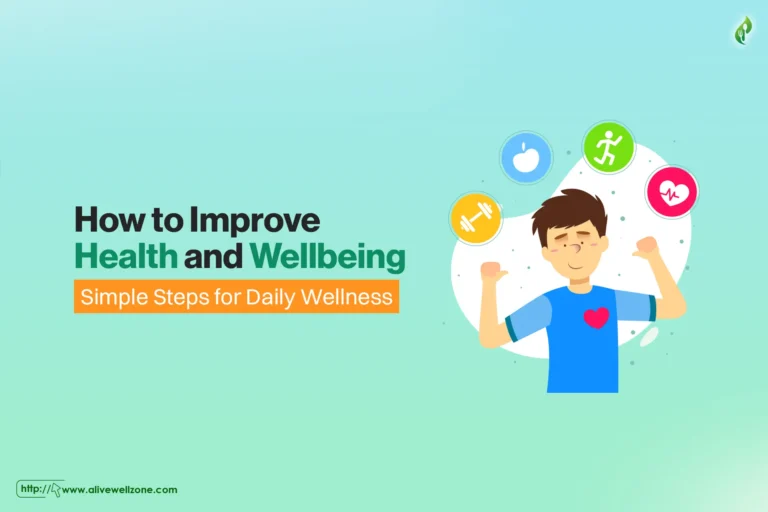
Healthy habits do not need to be complicated. Small choices repeated consistently can support your physical health, emotional wellbeing, sleep, energy, and quality of life over time.
A healthy lifestyle usually includes several areas working together, such as eating a balanced diet, staying physically active, getting enough sleep, avoiding tobacco, limiting alcohol, managing stress, maintaining social connections, and keeping up with preventive healthcare. WHO and CDC guidance reflects many of these same areas. WHO
You do not need to change everything at once. In fact, starting with one or two realistic habits can make healthy changes easier to maintain.
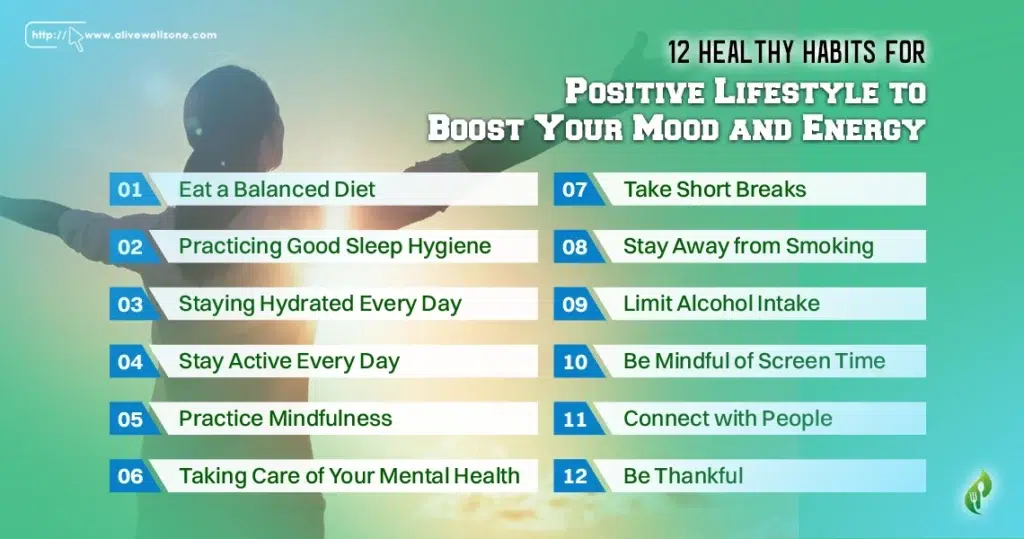
In this guide, we will look at 12 practical healthy habits you can build into everyday life and simple ways to make those habits easier to stick with.
Key Takeaways
- A healthy lifestyle includes nutrition, movement, sleep, stress management, social connection, and preventive healthcare.
- Adults should aim for at least 150 minutes of moderate intensity physical activity per week and include muscle strengthening activity on at least two days. CDC
- Most adults need at least 7 hours of sleep, although individual needs vary with age and circumstances. CDC
- Avoiding tobacco and reducing alcohol intake can lower important health risks. WHO
- Healthy habits are easier to maintain when you start small and repeat them consistently.
What are Healthy Habits?
Healthy habits are repeated behaviors that support your physical, mental, or social wellbeing. They can include everyday choices such as eating nutritious foods, staying active, keeping a regular sleep schedule, avoiding tobacco, managing stress, and maintaining supportive relationships.
The goal is not perfection. A single healthy meal or one workout will not determine your long term health, just as one less healthy day does not erase your progress. What matters more is the pattern you build over time.
Habits also become easier through repetition. Research on health related habit formation shows that the time needed for a behavior to feel automatic varies widely between people and behaviors, so there is no universal “21 day” rule. PubMed
A practical approach is to choose a small behavior you can repeat in a consistent situation, such as taking a short walk after lunch or drinking water with breakfast, and build from there.
12 Healthy Habits for a Positive Lifestyle
1. Eat a Balanced Diet
A balanced diet gives your body the nutrients and energy it needs while supporting long term health. There is no single diet that is right for everyone, but WHO recommends building meals around a variety of minimally processed or unprocessed foods. WHO
Try to include:
- vegetables and fruit
- whole grains
- beans and other legumes
- nuts and seeds
- suitable sources of protein
- mostly unsaturated fats
At the same time, limit foods and drinks that are high in free sugars, excess sodium, saturated fat, or industrial trans fats. WHO emphasizes adequacy, balance, moderation, and diversity rather than one rigid eating pattern. WHO
A simple place to start is by improving one regular meal. For example, add vegetables to lunch, replace a sugary drink with water, or choose a whole grain option when it is available.
2. Stay Physically Active
Regular physical activity supports both physical and mental health. Adults should aim for at least 150 to 300 minutes of moderate-intensity aerobic activity per week, or 75 to 150 minutes of vigorous activity, or an equivalent combination. Muscle strengthening activity is also recommended on at least two days each week. WHO
If you are deciding between two simple cardio options, see our comparison of running or walking.
Activity does not have to mean going to a gym. Walking, cycling, swimming, dancing, gardening, taking the stairs, and many household activities can contribute to an active lifestyle.
If you are currently inactive, you do not need to reach the full recommendation immediately. Some activity is better than none, and you can gradually build up the amount you do. CDC
For older adults, balance and strength exercises can also help support mobility and reduce the risk of falls. WHO
3. Get Enough Quality Sleep
Good sleep supports physical health, emotional wellbeing, concentration, memory, and daily functioning.
If you want to understand sleep stages in more detail, read our guide to core sleep.
For adults aged 18 to 60, CDC recommends 7 or more hours of sleep per night. Sleep needs vary by age, and quality matters as well as duration. CDC
To support healthier sleep:
- go to bed and wake up at roughly the same time each day
- keep your bedroom quiet, comfortable, and cool
- reduce bright screens close to bedtime
- avoid large meals and alcohol shortly before bed
- avoid caffeine late in the day if it interferes with your sleep
- stay physically active during the day
If you regularly struggle to fall asleep, stay asleep, or wake feeling unrefreshed despite allowing enough time for sleep, consider discussing it with a healthcare professional. CDC
4. Stay Hydrated
Getting enough fluids helps your body function normally and prevents dehydration.
Water helps regulate body temperature, lubricate joints, protect sensitive tissues, and remove waste through urine, perspiration, and bowel movements. CDC
There is no single amount of water that is right for everyone. Fluid needs vary with age, body size, activity level, climate, pregnancy, breastfeeding, illness, and other factors. Foods with a high water content also contribute to your total fluid intake. CDC
If you want to learn more about how low fluid intake can affect the body, read our guide to dehydration and its effects on the body.
You may need more fluids when you are physically active, in hot weather, or experiencing fever, vomiting, or diarrhea.
Plain water is a simple choice, and replacing sugary drinks with water can also reduce added calorie intake.
5. Manage Stress
Stress is a normal part of life, but ongoing stress can affect sleep, mood, concentration, and daily wellbeing.
Different stress management strategies work for different people. You might try:
- slow breathing exercises
- mindfulness or meditation
- taking a short walk
- spending time outdoors
- reading or listening to music
- setting boundaries around work or social media
- making time for hobbies
- talking with someone you trust
The goal is not to eliminate all stress. It is to develop healthy ways to recover from it and recognize when you need additional support.
If stress becomes persistent or begins interfering with daily life, consider speaking with a qualified mental health or healthcare professional.
6. Support Your Mental Health
Mental health is part of overall health. Paying attention to changes in your mood, sleep, motivation, concentration, or ability to manage daily responsibilities can help you recognize when you need support.
Helpful everyday habits can include maintaining a routine, staying physically active, getting enough sleep, making time for activities you enjoy, and talking with supportive people.
You do not need to manage difficult emotions alone. If low mood, anxiety, distress, or other symptoms persist or significantly affect your daily life, reaching out to a qualified professional can be an important step.
7. Stay Socially Connected
Strong social connections can support both mental and physical wellbeing. CDC notes that social connection is associated with better health, improved ability to manage stress, and better quality of life. CDC
You can strengthen social connection by:
- spending time with family or friends
- calling or messaging someone you have not spoken with recently
- joining a club or community group
- volunteering
- participating in group activities
- asking for support when you need it
Quality matters more than having a large number of contacts. A few reliable and supportive relationships can be valuable.
8. Avoid Tobacco and Nicotine
Avoiding tobacco is one of the most important steps you can take to protect your health.
Smoking increases the risk of cardiovascular disease, chronic obstructive pulmonary disease, several cancers, and other health problems. Quitting is beneficial at any age, even for people who have smoked for many years. CDC
Secondhand smoke can also harm other people, so creating smoke free homes and environments is important.
If you currently smoke or use tobacco, support from a healthcare professional or an evidence based quit service can make quitting more manageable.
9. Limit Alcohol
Drinking less alcohol reduces health risk, and choosing not to drink is also a healthy option.
Alcohol is linked with liver disease, cardiovascular disease, injuries, mental health problems, and several types of cancer. WHO states that even low levels of alcohol consumption can carry health risks, and the risk generally increases as consumption rises. WHO
If weight management is one of your goals, you may also want to read how alcohol affects weight loss.
Do not start drinking alcohol for supposed health benefits. If you already drink, reducing how much and how often you drink can lower exposure to alcohol related risk.
Some people should avoid alcohol completely, including people for whom it conflicts with medications, medical conditions, pregnancy, or other individual circumstances.
10. Take Regular Breaks From Sitting and Screens
Long periods of sitting or screen use can become easy to fall into during work or leisure.
Try breaking up long periods of sitting by standing, stretching, or walking briefly when you can. Short movement breaks can also help you add more activity throughout the day.
For screens, consider:
- looking away from the screen periodically
- adjusting brightness and text size for comfort
- taking short breaks during long work sessions
- reducing screen use close to bedtime if it interferes with your sleep
You do not need special blue light glasses to build healthier screen habits. The more important goal is to manage prolonged screen use and protect time for movement, rest, and sleep.
11. Keep Up With Preventive Healthcare
Healthy habits are important, but they do not replace preventive healthcare.
Routine medical and dental care can help identify health problems early and keep you up to date with appropriate screenings, vaccinations, and other preventive services. CDC
Depending on your age, sex, family history, and health conditions, preventive care may include:
- blood pressure checks
- cholesterol or diabetes screening
- recommended cancer screenings
- vaccinations
- dental checkups
- vision care
- management of existing health conditions
Ask your healthcare professional which screenings and preventive services are appropriate for you.
12. Make Time for Enjoyable Activities and Gratitude
A healthy lifestyle should include activities you genuinely enjoy, not only things you feel you “should” do.
Make time for hobbies, creative activities, time outdoors, music, reading, gardening, or other activities that help you unwind and feel engaged.
Gratitude can also be a simple reflective practice. You might write down one thing you appreciated during the day, thank someone who helped you, or pause to notice something positive.
These practices do not need to become another task on your checklist. Choose activities that feel meaningful and realistic for you.
Simple Daily Healthy Habits Checklist
You do not need to complete every item perfectly every day. Use this as a flexible reminder:
- Eat a variety of nutritious foods
- Include some movement in your day
- Drink fluids regularly
- Take breaks from prolonged sitting
- Make time to manage stress
- Connect with someone
- Avoid tobacco
- Limit or avoid alcohol
- Protect enough time for sleep
- Take medications as prescribed, if applicable
- Make time for something you enjoy
The purpose of a checklist is to support consistency, not create pressure.
What Are the Benefits of Healthy Habits?
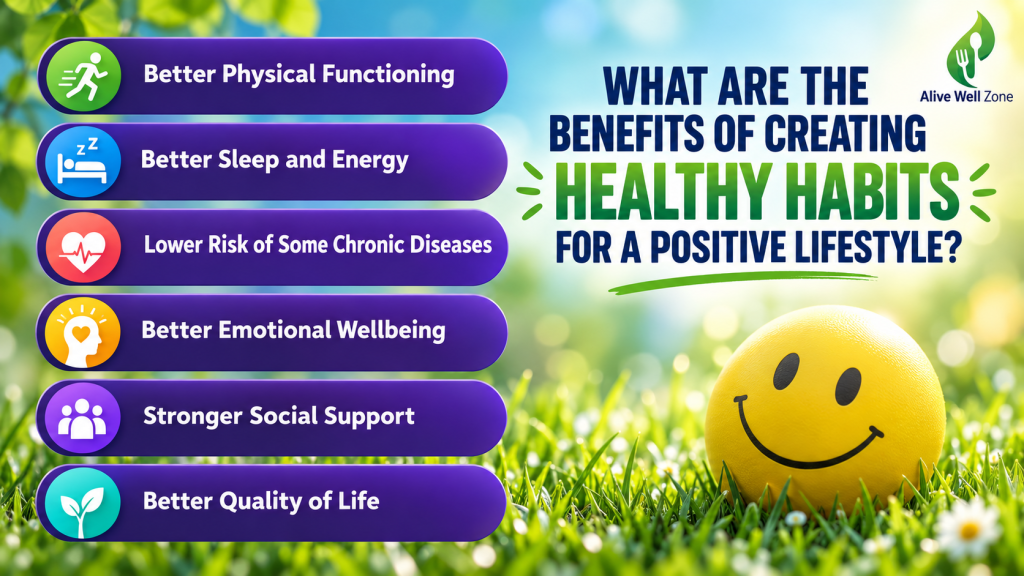
Healthy habits work together rather than in isolation. Eating well, staying active, sleeping adequately, avoiding tobacco, limiting alcohol, maintaining relationships, and keeping up with preventive care can support several areas of health.
Potential benefits include:
- Better physical functioning: Regular movement supports strength, mobility, cardiovascular health, and everyday independence.
- Better sleep and energy: Healthy sleep routines and physical activity can support daytime alertness and overall wellbeing.
- Lower risk of some chronic diseases: Healthy diet, physical activity, avoiding tobacco, and reducing alcohol exposure are associated with lower risk for several noncommunicable diseases. WHO
- Better emotional wellbeing: Sleep, movement, stress management, enjoyable activities, and social support can contribute to mental wellbeing.
- Stronger social support: Maintaining meaningful relationships can make it easier to cope with stress and difficult periods. CDC
- Better quality of life: Healthy routines can support your ability to work, socialize, move, and participate in activities that matter to you.
These benefits build over time. Healthy habits reduce risk and support wellbeing, but they do not guarantee that a person will avoid illness.
How to Make Healthy Habits for a Positive Lifestyle Stick
Changing several parts of your lifestyle at once can feel overwhelming. Instead, focus on making one behavior easier to repeat.
Start Small
Choose a specific action rather than a broad goal.
Instead of:
“I want to be healthier.”
try:
“I will walk for 10 minutes after lunch.”
Attach the Habit to an Existing Routine
Linking a new behavior to something you already do can make it easier to remember.
For example:
- drink water after brushing your teeth
- take a walk after dinner
- prepare tomorrow’s breakfast after cleaning up dinner
Make Your Environment Help You
Make the healthy choice easier.
Keep fruit where you can see it, place your walking shoes near the door, or charge your phone away from the bed if late night screen use is affecting your sleep.
Track Progress Simply
You do not need a complicated app. A calendar check mark or short note can be enough to see whether you are repeating the behavior.
Expect Imperfect Days
Missing a habit occasionally does not mean you have failed. Research on habit formation suggests that consistency matters, but occasional missed opportunities do not necessarily erase progress. PubMed Central (PMC)
Return to the habit at the next realistic opportunity.
How Many Healthy Habits Should You Start at Once?
You do not need to work on all 12 habits at the same time.
For many people, starting with one or two specific changes is more manageable. Choose something that fits naturally into your current routine and is easy to measure.
For example:
- walk for 10 minutes after dinner
- add vegetables to lunch
- go to bed 20 minutes earlier
- replace one sugary drink with water
Once the new behavior feels more consistent, you can add another habit.
There is also no fixed number of days required to form a habit. Research shows that the time needed can vary considerably depending on the person and the behavior. PubMed
Final Words
Healthy living is built through repeated choices, not one perfect routine.
A balanced diet, regular movement, adequate sleep, stress management, supportive relationships, avoiding tobacco, reducing alcohol, and keeping up with preventive care can all contribute to better health and wellbeing.
You do not need to start all 12 habits today. Choose one or two changes that feel realistic, repeat them consistently, and build from there.
The best healthy routine is one that supports your needs and is practical enough to continue over time.
FAQs About Healthy Habits for Positive Lifestyle
What are the most important healthy habits?
Some of the most important habits include eating a balanced diet, staying physically active, getting enough quality sleep, avoiding tobacco, reducing alcohol, managing stress, staying socially connected, and keeping up with preventive healthcare.
How long does it take to build a healthy habit?
There is no universal number of days. Research shows substantial variation depending on the behavior and the person. A recent systematic review found median habit formation times of around 59 to 66 days in the studies that reported this measure, but individual results varied widely. PubMed
Can small lifestyle changes really improve health?
Yes. Small changes can contribute to healthier patterns when repeated consistently. For example, adding regular walking, improving one meal, or creating a more consistent sleep schedule can be realistic starting points.
What is the easiest healthy habit to start?
The easiest habit depends on your routine. Simple options include taking a short daily walk, drinking water with meals, adding a fruit or vegetable to one meal, or keeping a consistent bedtime.
How many healthy habits should I change at once?
There is no required number, but starting with one or two specific behaviors can make the process easier to manage. Once those feel more established, you can gradually add another.
What is considered an unhealthy lifestyle?
There is no single definition, but patterns such as persistent physical inactivity, poor diet quality, tobacco use, harmful alcohol use, chronic sleep deprivation, and avoiding necessary preventive healthcare can increase health risks.
References
- WHO. Everyday actions for better health: WHO recommendations. WHO
- WHO. Healthy diet. WHO
- CDC. Adult Activity: An Overview. CDC
- CDC. About Sleep. CDC
- CDC. About Water and Healthier Drinks. CDC
- CDC. Social Connection. CDC
- CDC. Benefits of Quitting Smoking. CDC
- WHO. Alcohol. WHO
- CDC. Are You Up to Date on Your Preventive Care? CDC
- Singh B, et al. Time to Form a Habit: A Systematic Review and Meta Analysis of Health Behaviour Habit Formation and Its Determinants. PubMed