

Last Updated on October 3, 2026 by Helena Akter
Food that feels unusual in one country may be completely familiar in another.
That is why the word “exotic” is relative. A dish may seem surprising to a visitor while being part of everyday life, regional tradition, or a special celebration for the people who grew up with it.
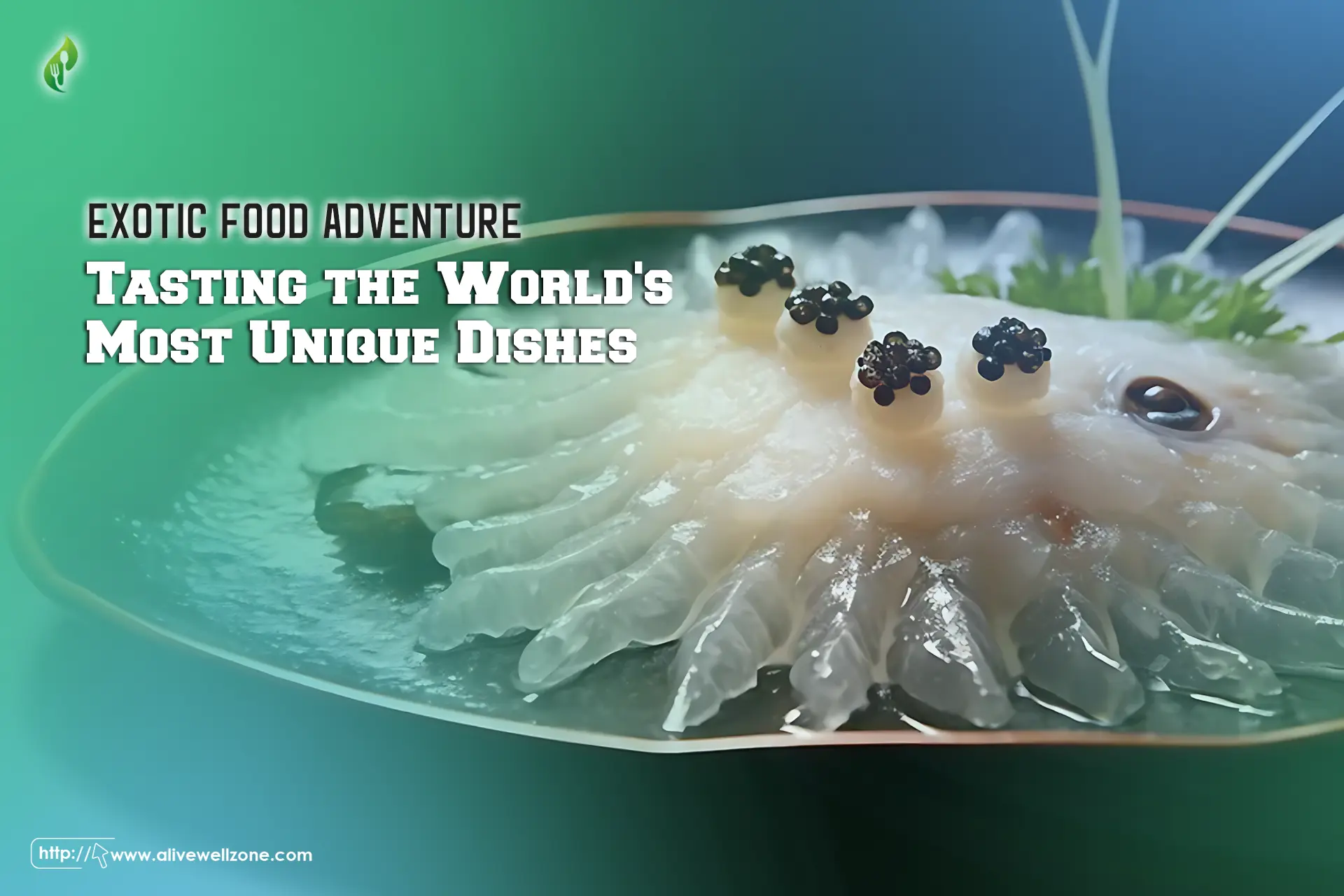
In this guide, we will explore 14 unique foods from different parts of the world, including fermented foods, insect dishes, traditional meats, preserved foods, and regional specialties.
The goal is not to label these foods as strange. It is to understand what they are, where they come from, and why they matter within their local food cultures.
Key Takeaways
- What seems unusual to one person may be a traditional food to someone else.
- Many unique foods developed because of local ingredients, preservation methods, climate, or cultural traditions.
- Some foods on this list require careful preparation or have food safety considerations.
- Travelers should try unfamiliar foods from reputable vendors and respect local customs.
- You do not need to enjoy every dish to appreciate the culture and history behind it.
What Does “Exotic Food” Mean?
“Exotic food” usually refers to food that is unfamiliar or uncommon to the person describing it.
The term does not have one scientific or culinary definition. A dish that seems unusual to a traveler may be ordinary, traditional, or culturally important in its country of origin.
For that reason, this article uses the term mainly to describe foods that many international travelers may not encounter in their everyday diets.
18 Exotic Foods Around the World
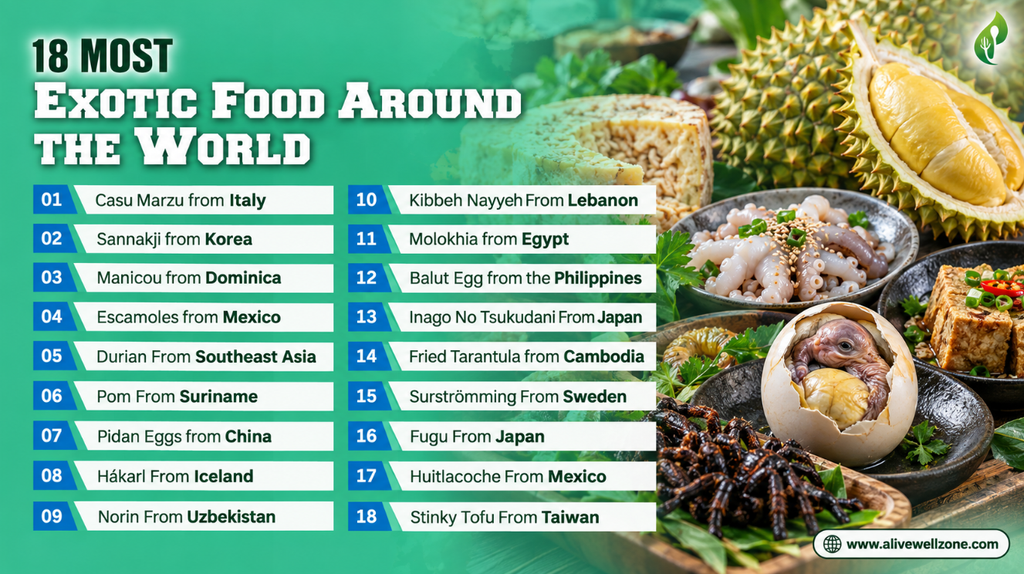
Let us introduce you to some of the tastiest and unique foods that have never been tasted before.
1. Casu Marzu from Italy
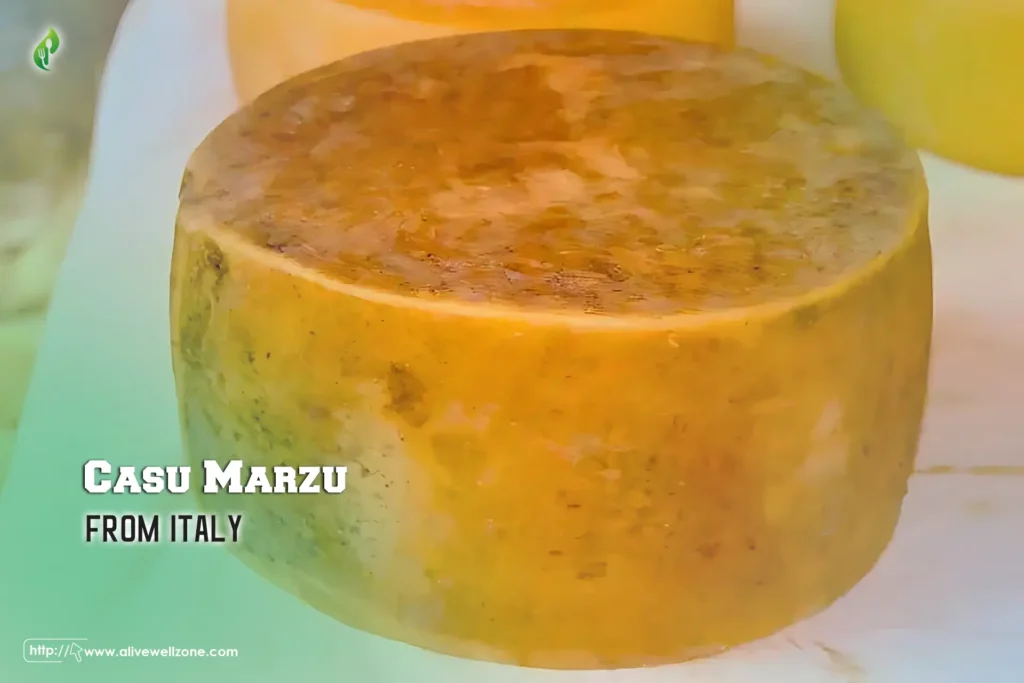
Casu marzu is a traditional sheep’s milk cheese associated with Sardinia, Italy.
What makes it unusual is that cheese fly larvae are involved in the ripening process. Their activity breaks down the cheese and creates a very soft texture.
Casu marzu has become famous outside Sardinia because of the visible larvae, but within its cultural context it is better understood as a traditional regional food rather than simply a shock dish.
Because it involves live larvae and unusual fermentation, its sale and food safety status can be restricted depending on local regulations. Smithsonian has documented casu marzu as a Sardinian cheese made with fly larvae. Smithsonian Magazine
2. Sannakji from Korea
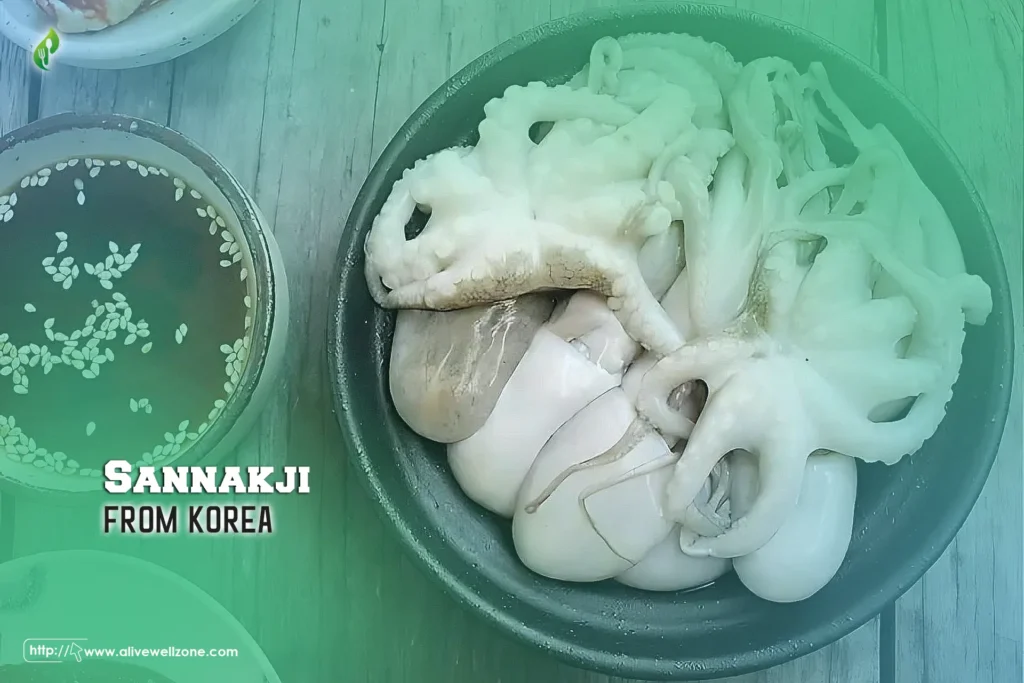
Sannakji is a Korean dish made from freshly cut octopus, commonly served with sesame oil and sesame seeds.
The octopus pieces may continue to move after being cut because of remaining nerve activity. Korea Tourism Organization describes sannakji as freshly cut octopus served while the pieces are still wriggling. VISITKOREA – Imagine Your Korea
The texture is chewy, and the suction cups can remain active.
Because of this, sannakji should be chewed thoroughly before swallowing. The dish is best tried at an experienced restaurant familiar with its preparation.
3. Manicou from Dominica
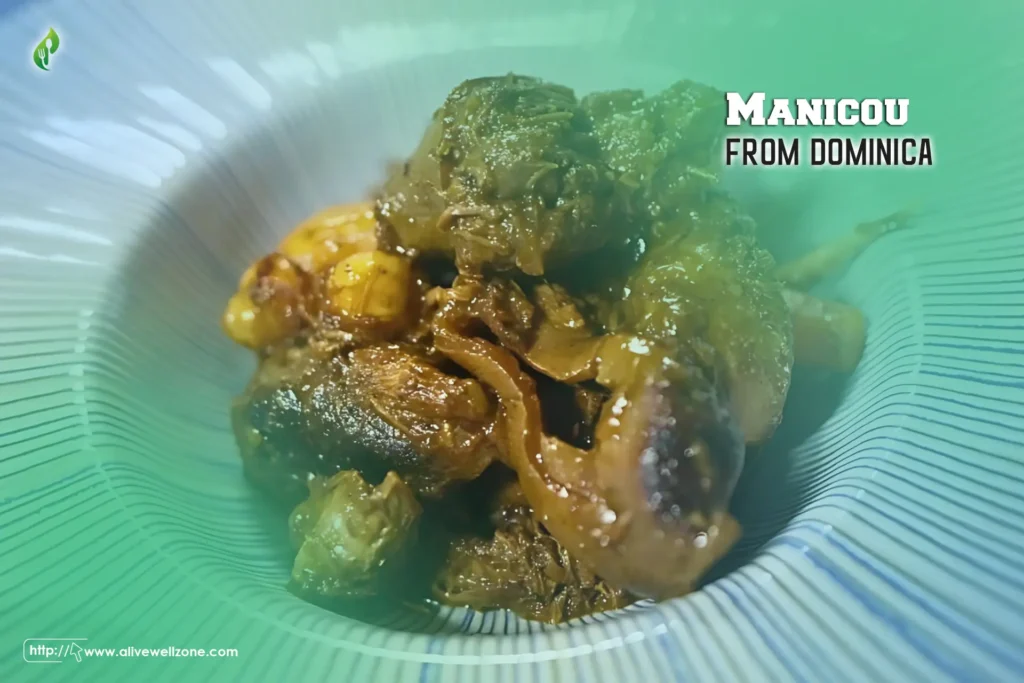
Manicou is the local name for opossum in Dominica and several other Caribbean islands.
In Dominica, manicou may be smoked or slowly stewed with herbs, spices, and vegetables. It is often served with rice or local root vegetables.
It should not be confused with agouti. Agouti is a different animal, although both may appear in traditional Dominican game dishes.
Dominica’s own country guide lists manicou and agouti stews among local foods. Dominica
Because manicou is wild game, availability can be seasonal and subject to local hunting regulations.
4. Escamoles from Mexico

Escamoles are edible ant larvae and pupae traditionally eaten in parts of Mexico.
They are associated especially with central Mexico and are sometimes called “Mexican caviar” because of their appearance, rarity, and price.
Escamoles are commonly prepared with ingredients such as butter, onion, garlic, chile, or epazote and may be served in tacos, omelets, or on their own.
Mexico’s Larousse culinary encyclopedia identifies escamoles as larvae and pupae of Liometopum ants and notes their importance in Mexican cuisine. Larousse Cocina
Their flavor is often described as mild, buttery, or nutty.
5. Durian From Southeast Asia
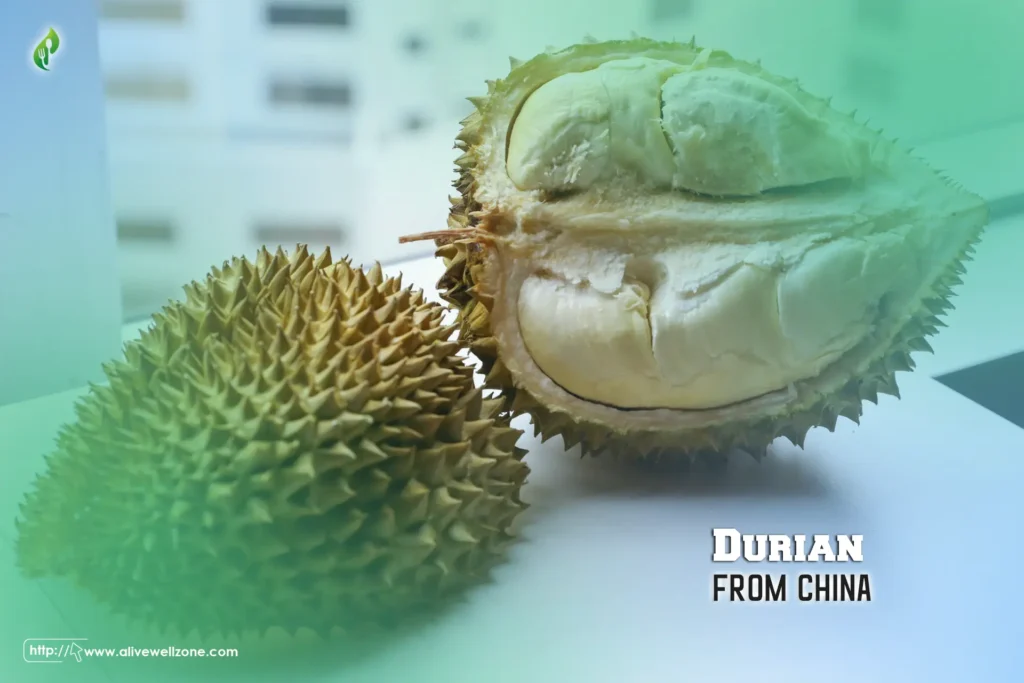
Durian is one of Southeast Asia’s most recognizable fruits.
Its thick, spiky shell contains soft, creamy flesh with a strong aroma. People describe that aroma very differently, ranging from sweet and fruity to onion-like or sulfurous.
Durian is especially associated with countries such as Malaysia, Indonesia, and Thailand and is eaten fresh as well as in desserts, sweets, drinks, and other dishes.
Its smell is strong enough that some hotels and public transport systems in parts of Asia restrict people from carrying it indoors.
Durian is a good example of how strongly food preferences can depend on familiarity and culture.
6. Pom From Suriname
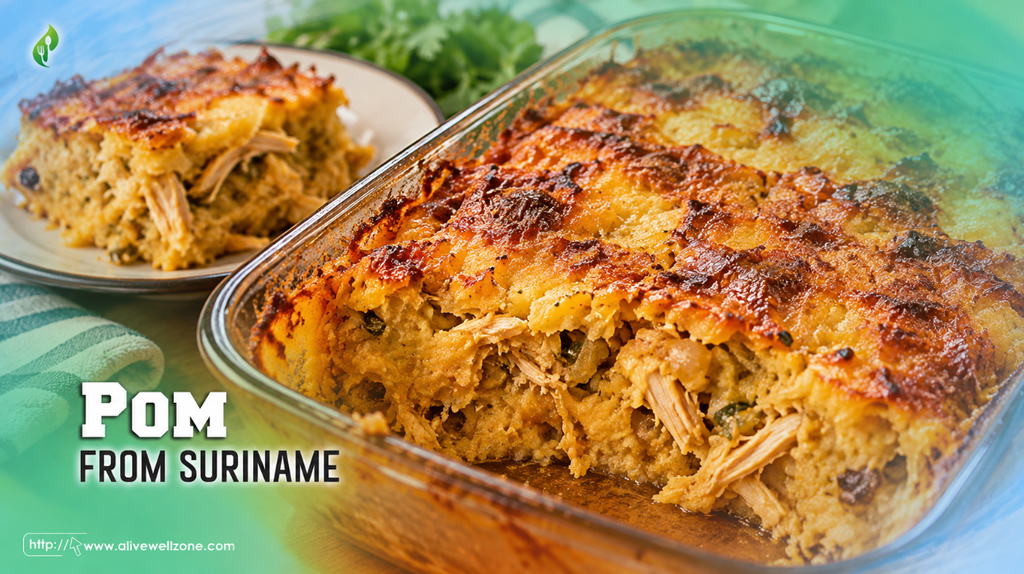
Pom is one of Suriname’s best known celebration dishes.
It is a baked casserole traditionally made with grated pomtajer, a tropical root vegetable, together with chicken, citrus, onions, tomatoes, and seasonings.
The dish is closely associated with birthdays, family gatherings, and other celebrations in Suriname.
Its history reflects Suriname’s multicultural food culture, including Jewish Portuguese and Creole influences. Modern versions vary from family to family.
Pom remains one of the most recognizable foods in Surinamese cuisine. Switi Tours
7. Pidan Eggs from China
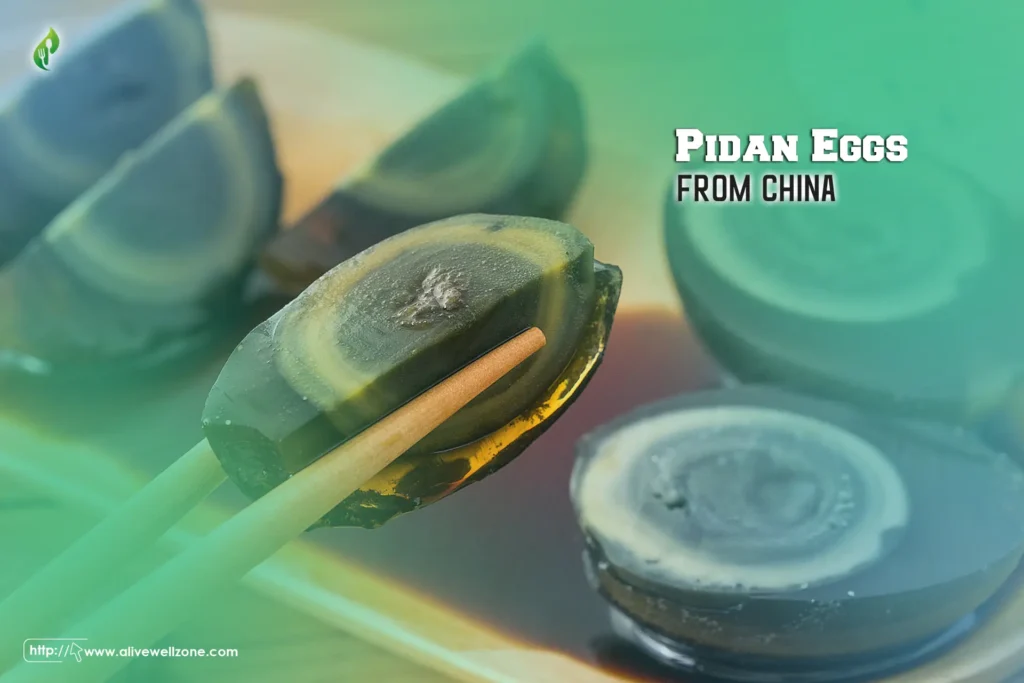
Pidan, often called century eggs or preserved eggs, are a traditional Chinese preserved egg product.
Despite the English nickname, they are not stored for a hundred or a thousand years.
Duck eggs are commonly used, although other eggs may also be prepared this way. During preservation, the egg white becomes dark and translucent while the yolk changes into a creamy greenish or gray texture.
The flavor is much stronger than a freshly cooked egg and may include savory, sulfurous, and alkaline notes.
Pidan may be eaten on its own or included in dishes such as rice porridge, tofu dishes, and cold appetizers.
8. Hákarl From Iceland
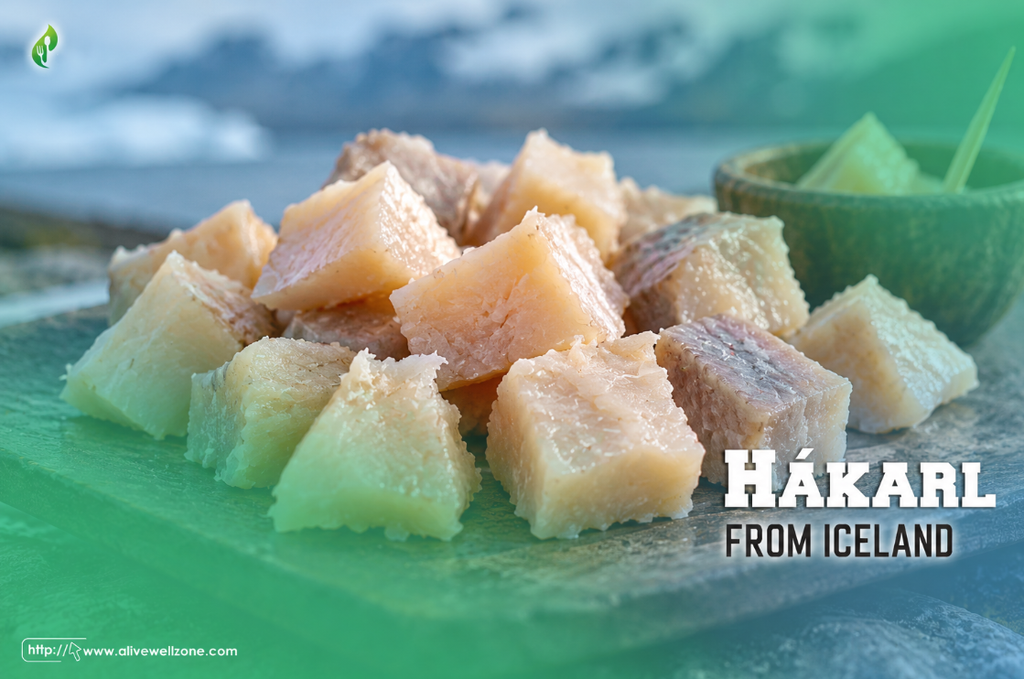
Hákarl is an Icelandic traditional food made from fermented and dried shark, usually Greenland shark.
Fresh Greenland shark is not eaten in the same way because its flesh requires careful processing. Traditional preparation involves curing and drying the meat before it is served.
Hákarl is known for its strong ammonia like aroma and distinctive flavor.
It is particularly associated with traditional Icelandic food culture and the winter Þorrablót festival, although it can also be found at other times of the year. Iceland’s official tourism site lists hákarl among the country’s traditional foods. Visit Iceland
It is normally served in small pieces rather than as a large meal.
9. Norin From Uzbekistan
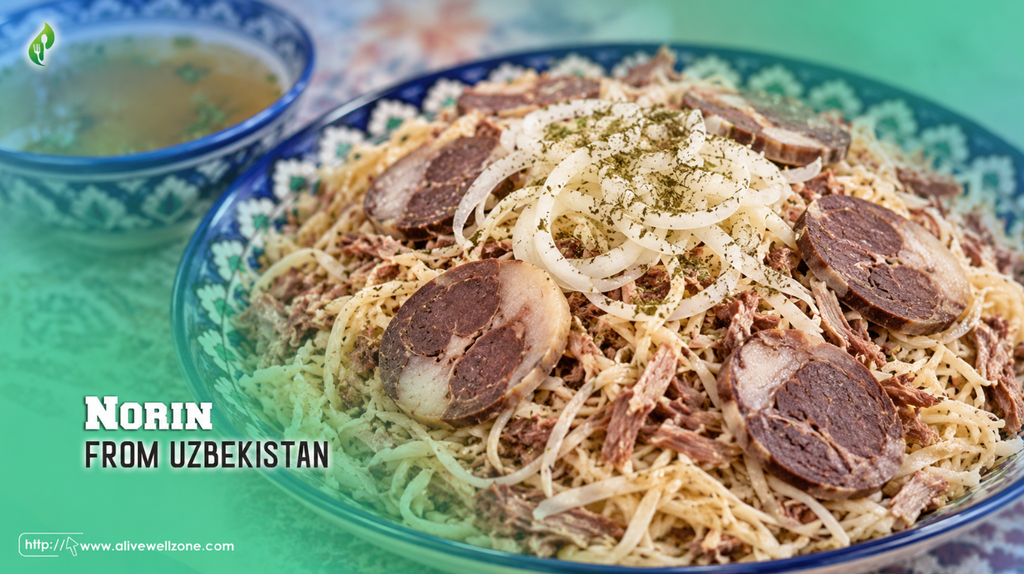
Norin is a traditional Uzbek noodle dish, especially associated with Tashkent.
It is made with very finely cut noodles and meat. Horse meat and qazi, a traditional horse meat sausage, are classic ingredients, although other meats can also be used.
The noodles and meat are sliced into thin strips and commonly served with onion and black pepper.
Explore Uzbekistan describes norin as a Tashkent specialty traditionally made with fine noodles and horse meat or qazi. Explore Uzbekistan
Using the name of the actual dish is more accurate than simply describing “horse” as an Uzbek food.
10. Kibbeh Nayyeh From Lebanon
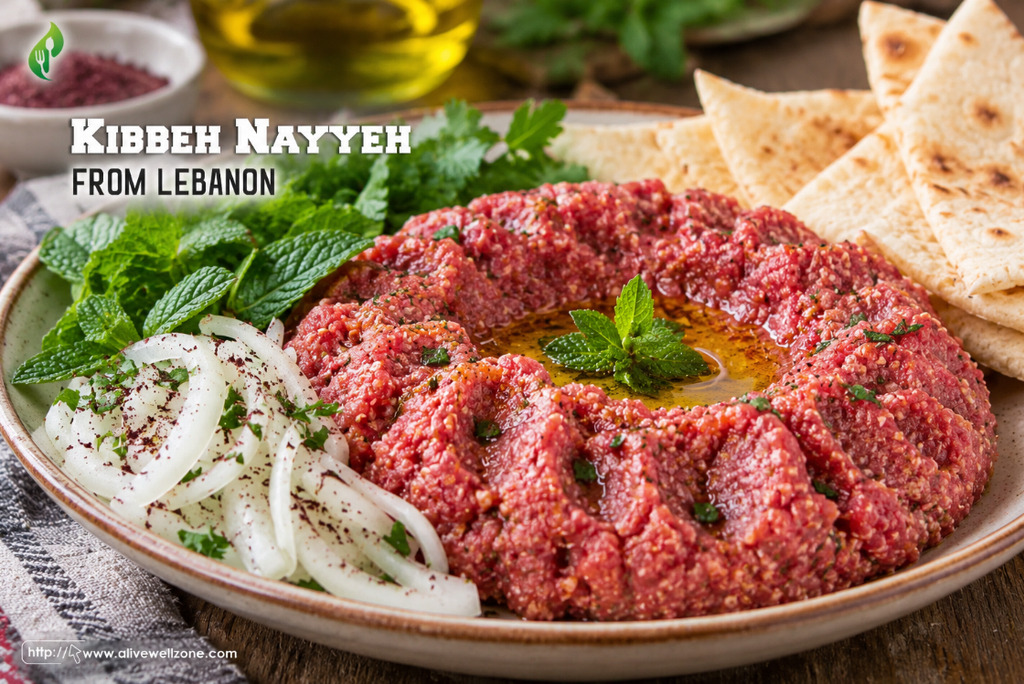
Kibbeh nayyeh is a traditional Levantine dish closely associated with Lebanon.
It is a raw version of kibbeh made from very finely minced lean lamb or beef mixed with bulgur, onion, and spices.
It is commonly served with olive oil, fresh herbs, green onion, and flatbread.
Because the meat is eaten raw, food safety is especially important. It should only be eaten when prepared under appropriate hygienic conditions using meat intended for raw consumption.
Kibbeh itself is one of the best known foods of Lebanon and can also be baked, fried, or cooked rather than served raw. TasteAtlas
11. Molokhia from Egypt
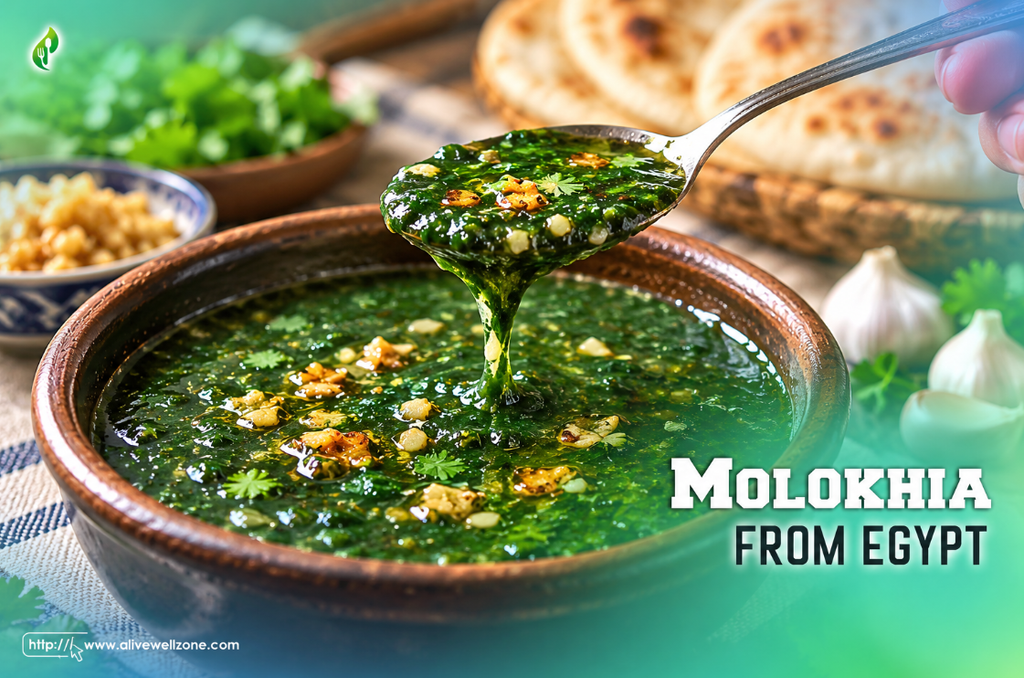
Molokhia is a traditional green dish made from finely chopped jute mallow leaves.
In Egyptian cooking, the leaves are commonly prepared in a broth with garlic and coriander, creating a thick, slightly viscous texture.
It is often served with rice, bread, chicken, rabbit, or other accompaniments.
Molokhia is deeply connected to Egyptian home cooking and family meals and is also eaten in other parts of the Middle East and North Africa. Cairo Travel
Its texture is one of its most distinctive characteristics, similar in some ways to cooked okra.
12. Balut Egg from the Philippines
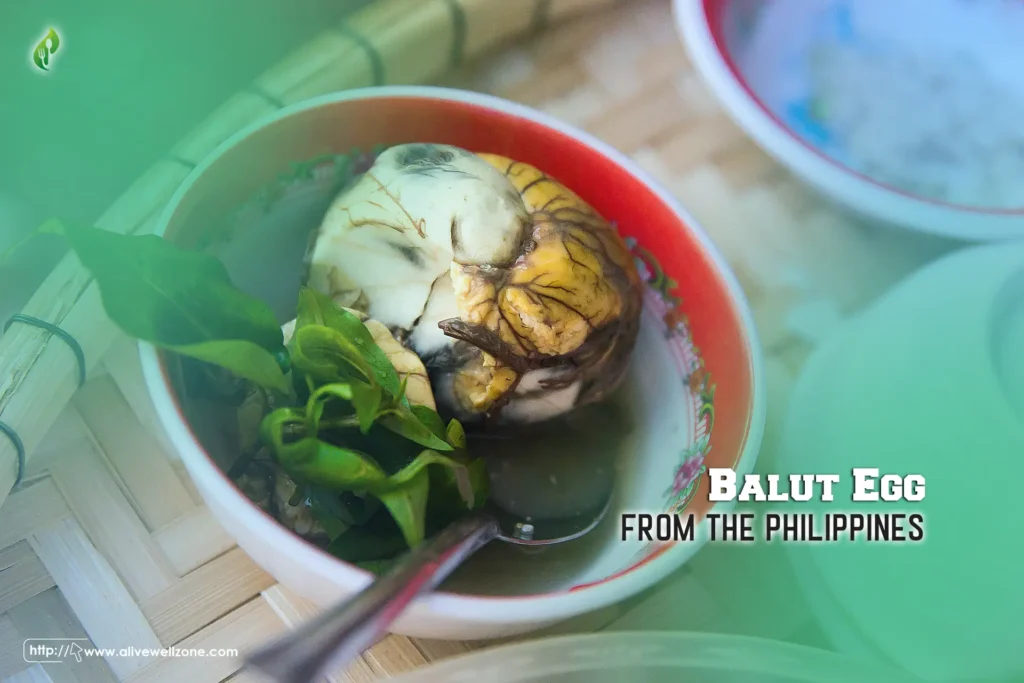
Balut is a fertilized duck egg that has been incubated for a period of time and then boiled or steamed.
It is widely associated with Filipino street food culture and is usually eaten directly from the shell.
Depending on the stage of development, the egg may contain visible features of the developing duck embryo.
Balut is typically seasoned simply, for example with salt or vinegar.
Rather than treating it only as a shock food, it is better understood as a familiar food with cultural significance in the Philippines and elsewhere in Southeast Asia. Tourism Philippines
13. Inago No Tsukudani From Japan
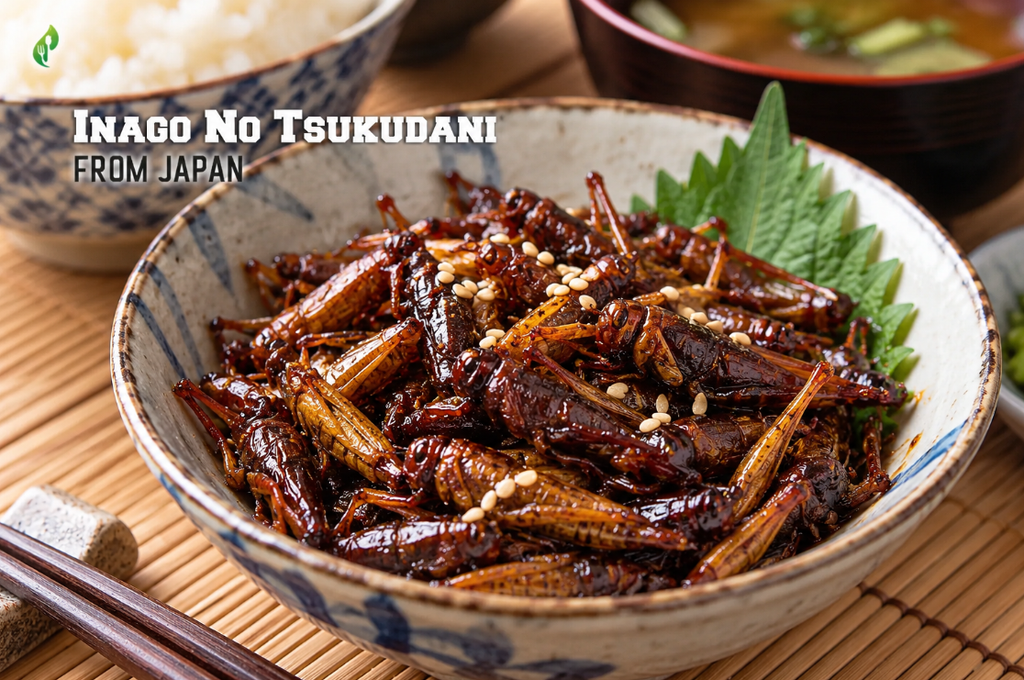
Inago no tsukudani is a traditional Japanese dish made from locusts or grasshoppers simmered in a sweet and savory mixture that commonly includes soy sauce and sugar.
It is especially associated with inland areas such as Nagano Prefecture, where insect eating developed partly in regions with historically limited access to seafood.
Japan’s Ministry of Agriculture documents inago no tsukudani as a traditional regional food of Nagano. Defra
The finished insects are usually glossy, slightly crisp, and sweet savory in flavor.
This is a regional tradition, not something eaten regularly across all of Japan.
14. Fried Tarantula from Cambodia
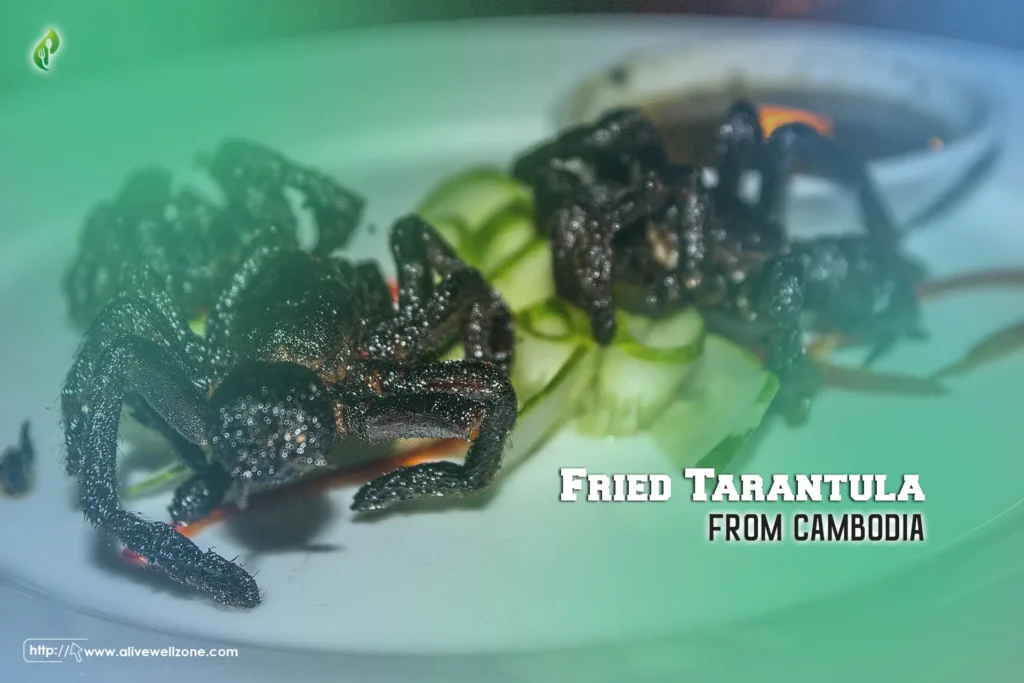
Fried tarantulas are associated particularly with the Cambodian town of Skuon and are also sold in other areas.
The spiders are typically seasoned and deep fried until the legs become crisp.
Tarantulas are venomous animals rather than “poisonous,” but proper preparation is important before they are eaten.
Today, fried tarantulas are known both as a local food tradition and as something visitors may encounter while traveling through Cambodia.
If you decide to try them, buy them from an established food vendor rather than attempting to catch or prepare wild spiders yourself.
15. Surströmming From Sweden
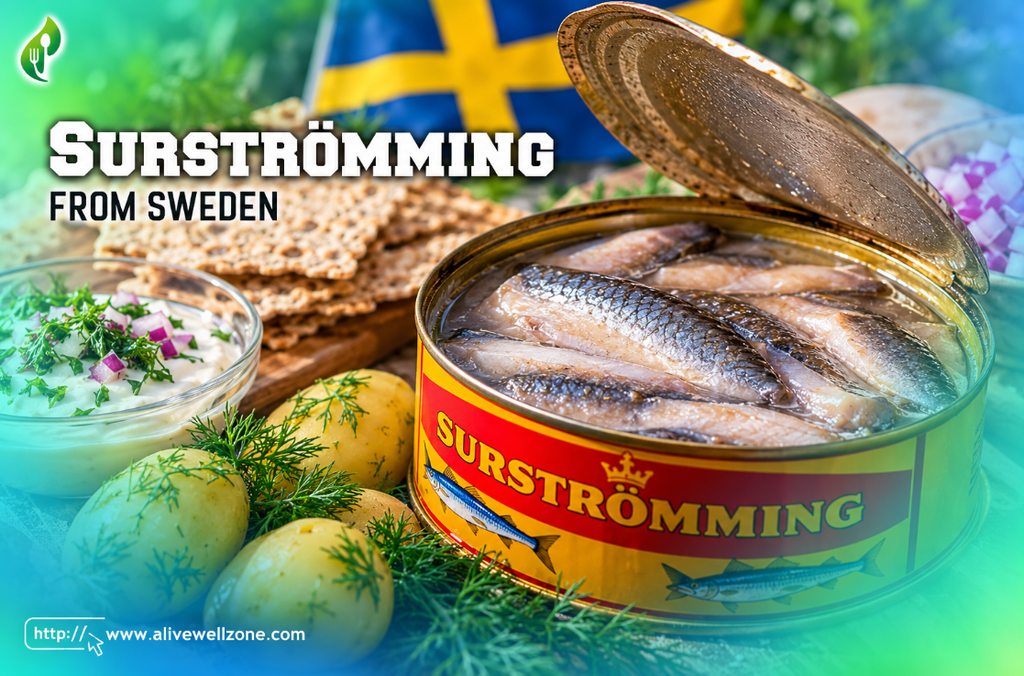
Surströmming is a traditional Swedish food made from fermented Baltic herring.
The fish is lightly salted and fermented before being canned, which creates its famous strong aroma. It is especially associated with northern Sweden and is usually eaten with flatbread, potatoes, onion, and sour cream rather than on its own.
The smell is often the first thing visitors notice, but for people familiar with the dish, the flavor can be much milder than the aroma suggests.
Because the cans can build pressure during fermentation, they should be opened carefully and according to the manufacturer’s instructions.
16. Fugu From Japan
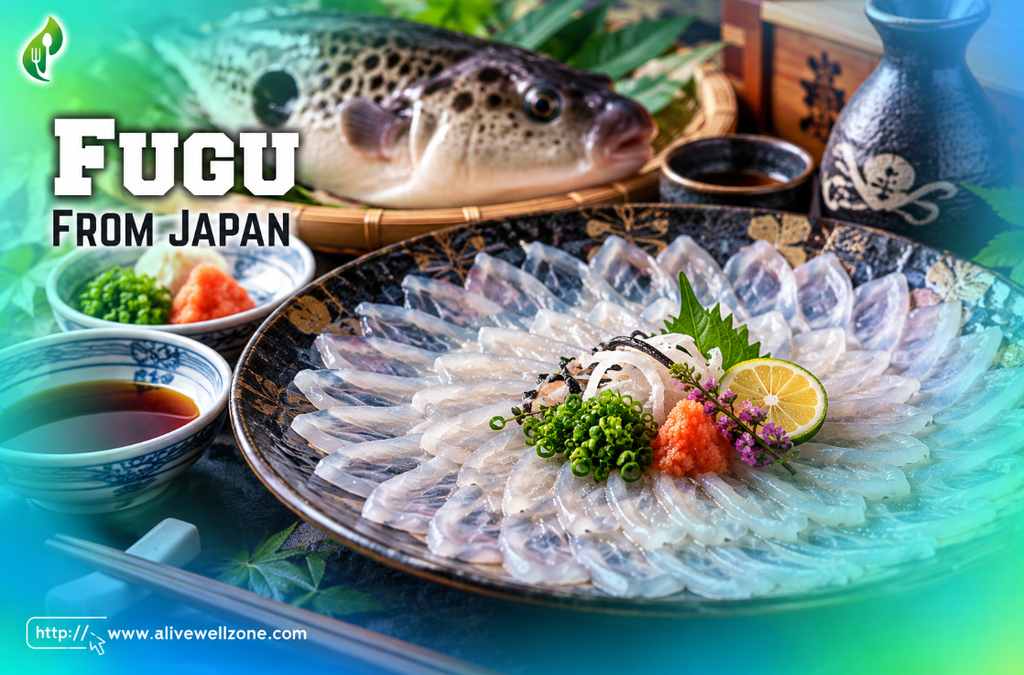
Fugu is the Japanese name for pufferfish and is one of the country’s best known high end specialty foods.
In areas such as Shimonoseki and Hagi, fugu is commonly served as very thin sashimi, hot pot, or fried dishes. Japan’s Ministry of Agriculture notes that Shimonoseki has a long history of fugu cuisine and is especially famous for it. Defra
Fugu requires professional preparation because some species contain potent toxins in organs such as the liver and ovaries.
For that reason, only properly processed fugu should be eaten. In Japan, preparation is regulated at the prefectural level and qualified professionals are required in many places. Defra
17. Huitlacoche From Mexico
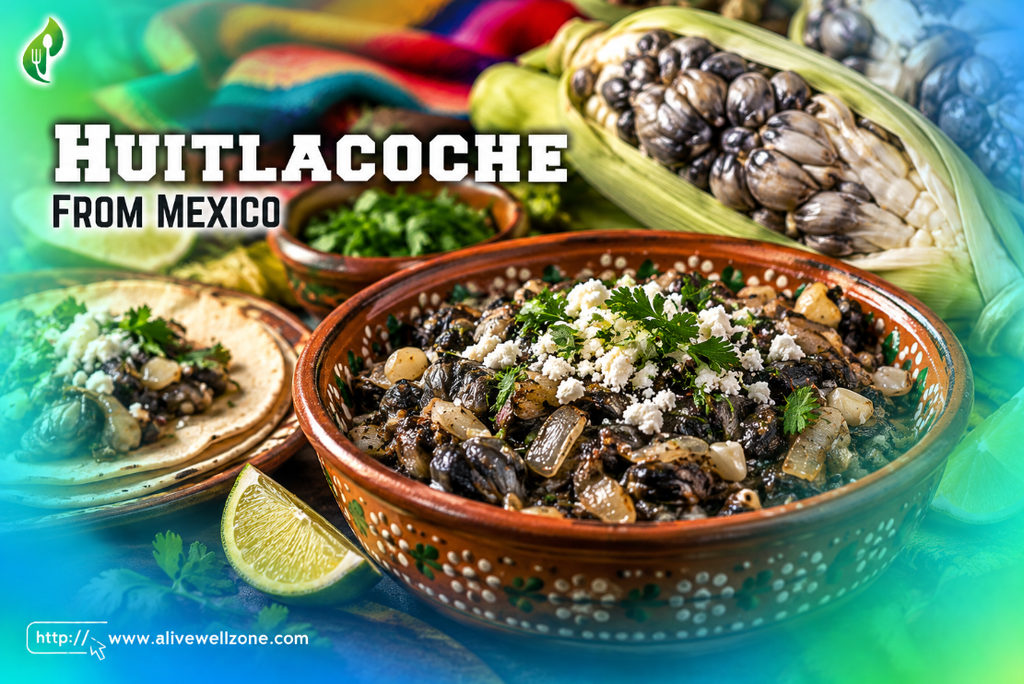
Huitlacoche, also called cuitlacoche, is an edible fungus that grows on ears of corn.
In Mexico, it has become a valued culinary ingredient rather than simply being treated as a crop disease. Mexico’s agriculture ministry describes huitlacoche as a distinctive part of Mexican gastronomy and notes that it is used in dishes such as quesadillas, soups, tamales, sauces, and stews. Gobierno de México
Its flavor is earthy, savory, and mushroom like.
Huitlacoche is especially associated with the rainy season, when it naturally develops on maize, although cultivated production now makes it available more widely. Gobierno de México
18. Stinky Tofu From Taiwan
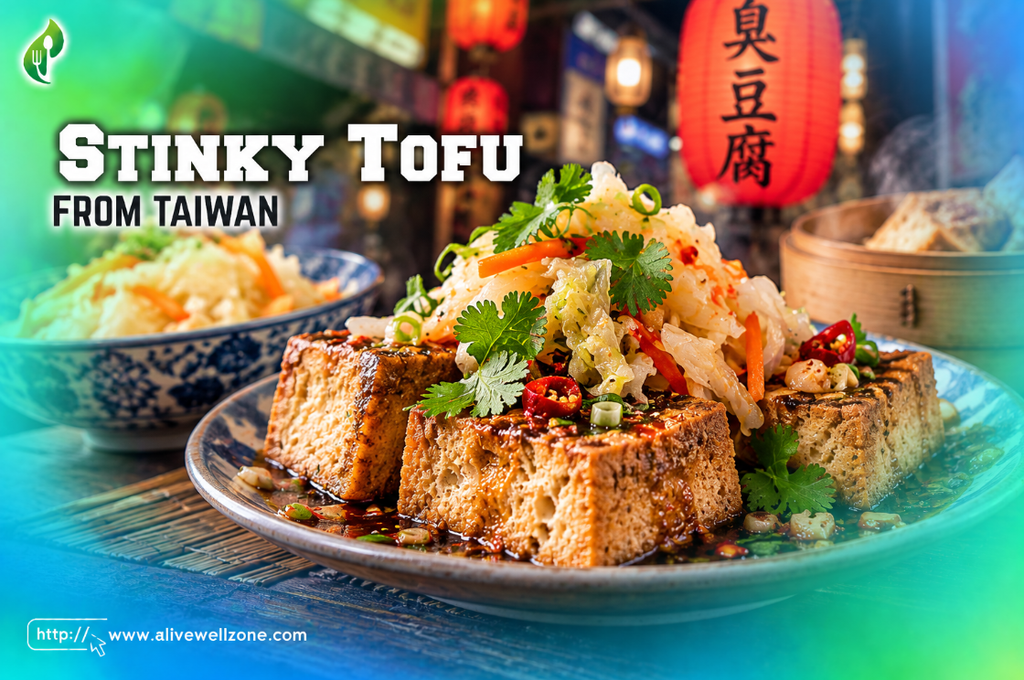
Stinky tofu is one of Taiwan’s best known street foods.
It is made by fermenting tofu in a flavorful brine before cooking it, often by deep frying.
Taiwan’s Tourism Administration describes it as having a very strong smell, with a crisp exterior and soft interior when fried. It is commonly served with pickled cabbage. Taiwan Travel
The aroma can be challenging for first time visitors, but the flavor is often much milder than people expect.
Stinky tofu is especially common at night markets and is one of the foods most closely associated with Taiwan’s street food culture. Taiwan Travel
Food Safety When Trying Unfamiliar Foods
Trying unfamiliar food can be part of the fun of traveling, but some dishes require more care than others.
Keep these points in mind:
- choose restaurants and vendors with good hygiene practices
- make sure meat, seafood, and eggs are properly handled
- be especially cautious with raw meat and raw seafood
- check ingredients if you have allergies
- avoid wild animals or protected species obtained illegally
- follow local food safety advice
- do not assume that a food is safe to prepare at home simply because it is traditionally eaten somewhere
People who are pregnant, immunocompromised, very young, older, or living with certain medical conditions may need to avoid some raw or undercooked foods.
How to Try New Foods Respectfully
Trying food from another culture is more meaningful when you understand the story behind it.
Instead of approaching a dish only as a dare, consider asking:
- What is the dish called locally?
- When is it normally eaten?
- Is it an everyday food or a celebration food?
- How is it traditionally prepared?
- What ingredients are important to the dish?
- Does it have religious, regional, or historical significance?
You do not have to like every food you try.
It is possible to say that a flavor or texture is unfamiliar to you without describing another culture’s food as disgusting or inferior.
Final Words
Food traditions around the world are shaped by geography, history, climate, available ingredients, preservation methods, and culture.
If you are also interested in building a balanced everyday routine, explore our guide to healthy habits for a positive lifestyle.
Casu marzu, sannakji, escamoles, durian, pom, pidan, hákarl, norin, molokhia, balut, and the other foods in this guide may seem unusual if you did not grow up eating them.
But each has a cultural context that is more interesting than simply calling it strange.
If you enjoy exploring food while traveling, approach unfamiliar dishes with curiosity, respect, and attention to food safety.
You may not enjoy every flavor, but learning why people eat a particular food can be just as valuable as tasting it.
FAQs About Exotic Foods Around the World
What is considered an exotic food?
An exotic food is generally a food that feels unfamiliar or uncommon to the person describing it. The meaning changes depending on culture and location.
What are some examples of exotic foods?
Examples include casu marzu from Sardinia, sannakji from South Korea, escamoles from Mexico, hákarl from Iceland, balut from the Philippines, and inago no tsukudani from Japan.
Are exotic foods safe to eat?
Many traditional foods are safe when they are sourced and prepared correctly. However, dishes involving raw meat, raw seafood, wild game, fermentation, or unusual animal products may require additional food safety precautions.
What is the most unusual food in the world?
There is no objective answer because what feels unusual depends on your cultural background. A food considered surprising by a tourist may be completely normal in its home region.
Should travelers try exotic foods?
Trying local food can be a great way to learn about another culture, but you should choose reputable vendors, respect local customs, and consider any allergy or food safety concerns.
Why do cultures eat unusual foods?
Food traditions develop for many reasons, including climate, preservation needs, available plants and animals, trade, religion, historical events, and family traditions.
References
- Smithsonian Magazine. Five Banned Foods and One That Maybe Should Be. Smithsonian
- Korea Tourism Organization. Live Octopus, Sannakji. Visit Korea
- Commonwealth of Dominica. Dominica Country Guide: Culture and Food. Dominica Government
- Larousse Cocina. Escamoles. Larousse Cocina
- Lara Juárez P, et al. Biology and Exploitation of the Escamoles Ant, Liometopum apiculatum. SciELO
- Explore Uzbekistan. Norin. Explore Uzbekistan
- Visit Iceland. Enjoy Icelandic Food Culture. Visit Iceland
- Japan Ministry of Agriculture, Forestry and Fisheries. Inago no Tsukudani. MAFF Japan
- Cairo Travel. Molokhia. Cairo Travel
- Tourism Philippines. Balut. Tourism Philippines
- Switi Tours. Pom: The Celebration Dish of Suriname. Switi Tours
- Japan Ministry of Agriculture, Forestry and Fisheries. Fuku Sashi. MAFF Japan
- Mexico Ministry of Agriculture and Rural Development. Huitlacoche: El Diamante Negro de la Gastronomía Mexicana. Government of Mexico
- Taiwan Tourism Administration. Stinky Tofu. Taiwan Tourism
- Swedish Institute. Surströmming: Sweden’s Fermented Herring Tradition. Sweden.se